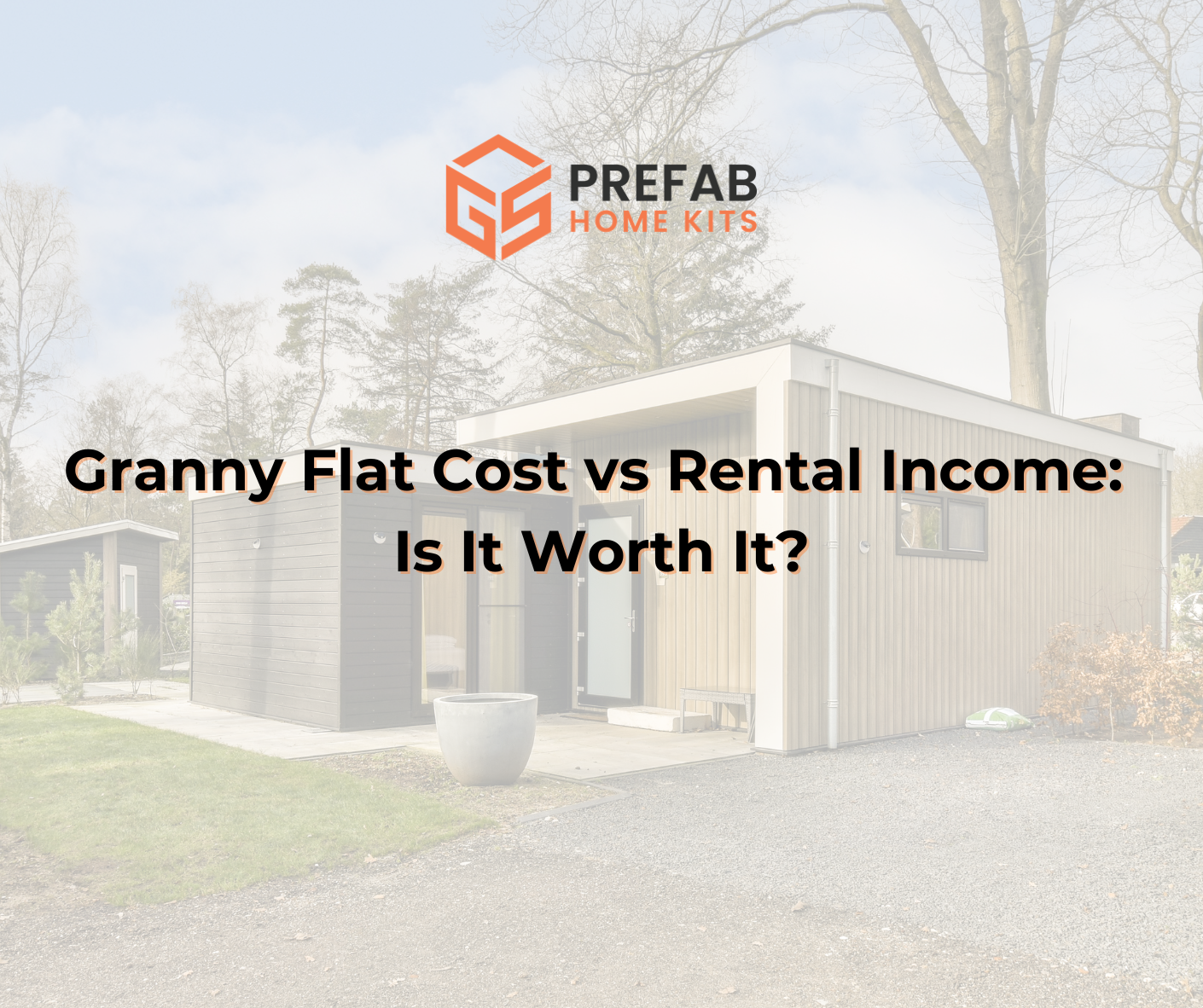
Granny Flat Cost vs Rental Income: Is It Worth It?
Building a granny flat has become one of the most popular ways for Australian homeowners to create extra income from their property. But before starting a project, many people ask the same question: is the granny flat cost actually worth it compared to the rental income it can generate?
The answer depends on several factors, including where you build, how much you spend, and what kind of rental demand exists in your area. For some homeowners, a granny flat becomes a strong long-term investment that pays for itself over time. For others, poor planning or unrealistic expectations can reduce the financial return.
Understanding the relationship between granny flat cost and rental income is important before making a decision. This guide explains the costs involved, the income potential, and the factors that determine whether a granny flat is financially worthwhile.
Understanding Granny Flat Cost
The first thing to consider is the total granny flat cost. Many people think only about construction, but the real cost includes much more than the building itself.
In Australia, a granny flat typically costs between $100,000 and $200,000 or more depending on the size, design, location, and site conditions. A simple one-bedroom granny flat usually sits at the lower end of the range, while larger or more customised designs cost more.
Site preparation can also affect the total budget. Sloping blocks, difficult access, or poor soil conditions may increase construction costs significantly.
On top of the build itself, there are also approval fees, utility connections, landscaping, and finishing costs to consider.
Understanding the full granny flat cost helps create a more realistic picture of the investment.
Why Rental Income Matters
The main reason many homeowners build a granny flat is to generate rental income.
Because a granny flat is a separate living space, it can provide a steady weekly income while making use of land you already own. In many suburbs across Australia, there is strong demand for smaller and more affordable rental properties.
This demand has increased in recent years as property prices and rental costs continue to rise. Many renters are looking for practical alternatives to larger homes or apartments, and granny flats often meet that need.
Rental income is what helps offset the granny flat cost over time, turning it from an expense into a long-term investment.
Average Rental Income from a Granny Flat
Rental income varies depending on location, size, design, and local demand.
In many Australian suburbs, a granny flat can rent for around $250 to $500 per week. Some high-demand areas may achieve even higher rental prices, especially for modern two-bedroom designs.
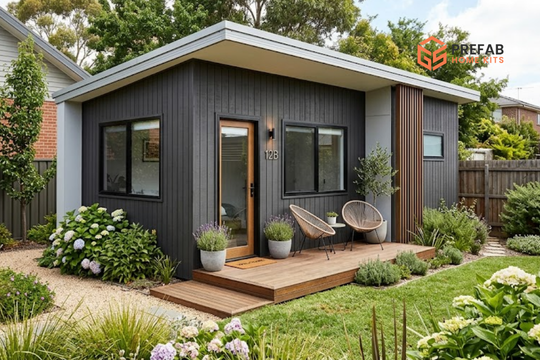
A well-designed granny flat with good privacy, modern finishes, and practical layout will generally attract better rental returns.
Location also plays a huge role. A granny flat near transport, schools, shopping areas, or universities usually performs better in the rental market.
Comparing Granny Flat Cost to Rental Return
To understand whether the investment is worthwhile, it helps to compare the granny flat cost with the expected rental income over time.
For example, if a granny flat costs $150,000 to build and earns $400 per week in rent, the annual rental income would be around $20,800 before expenses.
Over several years, this income helps recover the original build cost while also increasing the overall value of the property.
While it may not provide instant profit, many homeowners see a granny flat as a long-term investment that gradually improves their financial position.
How Long Does It Take to Pay Off?
One of the most common questions about granny flat cost is how long it takes for rental income to cover the investment.
In many cases, the payback period falls somewhere between 7 and 12 years. However, this varies depending on the build cost, rental income, maintenance expenses, and vacancy periods.
A lower construction cost combined with strong rental demand can shorten the payback timeline significantly.
At the same time, high construction costs or lower-than-expected rent may extend the return period.
It’s important to think of a granny flat as a medium- to long-term investment rather than a quick financial return.
The Benefit of Using Existing Land
One major reason granny flats can offer good returns is because the land is already owned.
Buying a separate investment property usually requires purchasing another block of land, paying stamp duty, and taking on a much larger mortgage. A granny flat avoids many of these costs.
Because the land already exists, the granny flat cost focuses mainly on construction and approvals rather than land acquisition.
This lower entry cost is one of the biggest reasons many homeowners see granny flats as an attractive investment option.
Ongoing Costs to Consider
Rental income is important, but so are ongoing expenses.
A granny flat may require maintenance, insurance, utility management, and occasional repairs. If you use a property manager, management fees also reduce your overall return.
These costs are usually smaller compared to the initial granny flat cost, but they still affect profitability over time.
Keeping the granny flat low-maintenance and well-designed can help reduce ongoing expenses in the future.
Design Can Affect Rental Income
Not all granny flats generate the same level of rental income. Design matters more than many people realise.
Modern layouts, natural light, privacy, storage, and outdoor space all improve tenant appeal. A well-designed granny flat is easier to rent and may achieve higher weekly rent.
Two-bedroom layouts often perform particularly well because they attract a wider range of tenants.
While better design may slightly increase the initial granny flat cost, it can also improve long-term rental returns.
Location Has a Huge Impact
Location is one of the biggest factors affecting whether a granny flat investment is worthwhile.
A granny flat built in a high-demand rental area is more likely to remain occupied and generate stable income. Areas close to transport, shops, schools, and employment hubs generally perform better.
In contrast, a granny flat in an area with weak rental demand may struggle to achieve strong returns regardless of the build quality.
Choosing the right location is just as important as managing the granny flat cost itself.
Is It Better Than Buying an Investment Property?
Many homeowners compare a granny flat to purchasing a traditional investment property.
A granny flat usually has a lower upfront cost and may deliver strong rental yield relative to the amount invested. It also allows homeowners to generate income from land they already own.
An investment property, however, may offer greater long-term capital growth because it includes separate land ownership.
The better option depends on your financial goals, budget, and level of risk.
For homeowners looking for a more affordable entry into property investing, a granny flat can be an appealing alternative.
Risks to Be Aware Of
Like any investment, building a granny flat comes with some risk.
Unexpected construction costs can increase the total granny flat cost, especially if site conditions are difficult or design changes occur during the build.
Rental demand may also fluctuate depending on market conditions. Vacancy periods or lower-than-expected rent can affect overall returns.
Proper planning, realistic budgeting, and understanding local rental demand can help reduce these risks.
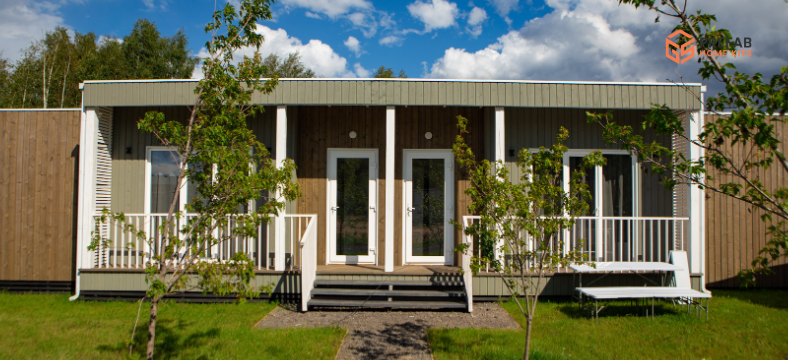
Is a Granny Flat Worth It Financially?
For many Australian homeowners, the answer is yes.
A granny flat offers the opportunity to generate ongoing rental income, improve property value, and make better use of existing land. Compared to buying another property, the entry cost is often much more manageable.
However, success depends on smart planning. Choosing the right design, controlling the granny flat cost, and building in an area with strong rental demand all play a major role in long-term profitability.
A granny flat is not just extra space, it can become a valuable income-producing asset when done properly.
Final Thoughts
When comparing granny flat cost to rental income, the investment can absolutely be worthwhile if approached carefully.
While building costs can be significant upfront, steady rental income and increased property value often help create strong long-term returns. The key is balancing cost, design, and location to achieve the best possible outcome.
For homeowners looking to create extra income without buying another property, a granny flat can be one of the most practical and flexible investment options available today.
Get a FREE quote for a granny flat here.
Explore more ideas at our Prefab Home Kits Fanpage.