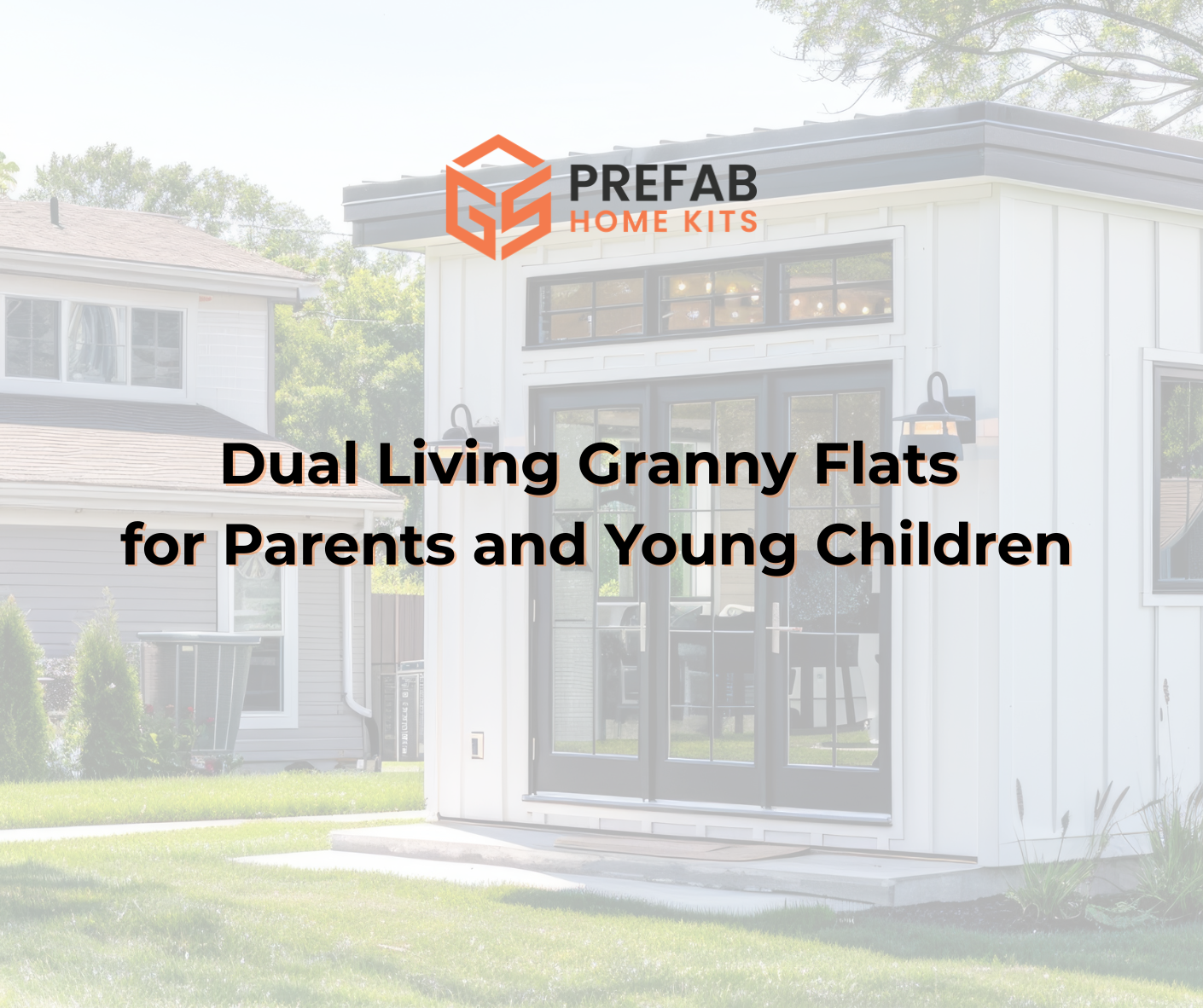
Cabin Home: Practical Housing Option in Australia

A cabin home is no longer just a small timber retreat hidden in the bush. In recent years, cabin houses have become a popular housing choice across Australia for homeowners seeking simplicity, affordability, and a closer connection to nature. Whether used as a primary residence, holiday home, or investment property, cabin houses offer a flexible and modern approach to living.
With rising construction costs and growing interest in minimalist lifestyles, many Australians are discovering that a cabin home can deliver comfort, functionality, and style—without the complexity of traditional housing. This article explores what a cabin home is, why it is gaining popularity, how much it costs, and whether it might be the right choice for your next build.
What Is a Cabin Home?
A cabin home is typically a compact, efficiently designed dwelling that prioritises functionality and comfort over size. While traditional cabins were often associated with rustic or off-grid living, modern cabin houses now feature contemporary layouts, high-quality materials, and energy-efficient systems.
Cabin houses can be built using timber, steel, or prefabricated systems and are often designed to blend seamlessly with natural surroundings. They are commonly used as:
- Primary residences
- Holiday or weekend homes
- Granny flats or secondary dwellings
- Airbnb or short-term rental properties
- Rural or regional housing solutions
Modern cabin homes meet Australian building standards and are suitable for long-term living.
Why Cabin Homes Are Popular in Australia
- Affordable Building Option
One of the main reasons Australians choose a cabin house is affordability. Compared to traditional houses, cabin houses generally require fewer materials, less labour, and shorter construction timelines.
Lower build costs make cabin homes attractive for:
- First-home buyers
- Downsizers
- Investors
- Homeowners building on rural or lifestyle blocks
- Faster Construction Time
Cabin houses are often built using prefabricated or modular construction methods. This allows much of the home to be manufactured off-site in a factory-controlled environment.
Because site preparation and manufacturing can happen at the same time, cabin houses can be completed in weeks rather than months, reducing delays caused by weather or labour shortages.
- Simple and Functional Design
A cabin home focuses on smart design rather than excessive space. Open-plan living areas, efficient storage solutions, and multi-purpose rooms help maximise every square metre.
This simplicity makes cabin houses easier to maintain and more cost-effective to run over the long term.
- Strong Connection to Nature
Cabin houses are often designed to complement natural landscapes. Features such as large windows, timber finishes, and outdoor decks help blur the line between indoor and outdoor living.
This makes cabin houses especially popular in bushland, coastal, and rural settings across Australia.
- Flexible Use and Location
A cabin home can be adapted to suit different needs and locations. They are commonly used for:
- Backyard granny flats
- Farm or rural accommodation
- Holiday parks
- Eco-retreats and tourism projects
Their compact footprint makes them suitable for sites where larger homes may not be practical.

Cabin Home vs Traditional House
| Feature | Cabin Home | Traditional House |
| Build time | Fast | Slow |
| Cost | Lower | Higher |
| Size | Compact | Larger |
| Maintenance | Low | Higher |
| Design focus | Functional | Varied |
| Environmental impact | Lower | Higher |
While traditional homes offer more space, a cabin house excels in efficiency, affordability, and ease of ownership.
How Much Does a Cabin Home Cost in Australia?
The cost of a cabin home depends on several factors, including size, materials, level of finish, and location.
As a general guide:
- Basic cabin houses may start from $60,000–$100,000
- Mid-range cabin homes often range from $120,000–$200,000
- Premium or custom-designed cabin housescan exceed $250,000
Additional costs to consider include site preparation, foundations, council approvals, service connections, and transport.
Despite these extra costs, cabin houses often remain more affordable than traditional housing options.
Are Cabin Homes Suitable for Permanent Living?
Yes. Modern cabin houses are designed for permanent residential use and can comply fully with the National Construction Code (NCC) and local council requirements.
With proper insulation, ventilation, and energy-efficient systems, a cabin home can be comfortable year-round, even in Australia’s varied climate conditions.
Many homeowners now choose cabin houses as their main residence, especially in regional and semi-rural areas.
Council Approval and Regulations
Cabin homes usually require council approval if they are used as permanent dwellings. This may include:
- Planning or development approval
- Building permits
- Engineering certification
- Energy efficiency assessments
- Bushfire Attack Level (BAL) compliance where applicable
Approval requirements vary by council, so it is important to check local regulations early in the planning process.
Sustainability and Energy Efficiency
Cabin homes are often more environmentally friendly than traditional homes due to their smaller size and efficient use of materials. Many cabin houses incorporate:
- Energy-efficient insulation
- Solar power systems
- Water-saving fixtures
- Sustainable timber or recycled materials
Smaller homes also require less energy to heat and cool, helping reduce ongoing living costs.

Things to Consider Before Building a Cabin Home
Before committing to a cabin home, it is important for homeowners to carefully evaluate several practical factors. While cabin houses offer affordability, flexibility, and simplicity, proper planning ensures the final build aligns with both immediate needs and long-term goals.
Intended Use of the Cabin Home
The first and most important consideration is how the cabin houses will be used. Some homeowners plan to live in their cabin home permanently, while others intend to use it as a holiday retreat, rental property, or secondary dwelling. Each use case comes with different design, regulatory, and budget requirements.
For permanent living, the cabin houses must prioritise comfort, insulation, storage, and energy efficiency. For holiday or short-term rental use, durability, low maintenance, and quick construction may be higher priorities. Understanding the intended use early helps guide decisions about layout, materials, and overall investment level.
Local Council Regulations and Zoning
Council approval is a critical step when building a cabin home in Australia. Even though cabin houses are often smaller than traditional houses, they are still subject to planning and building regulations.
Homeowners should check:
- Zoning restrictions and land use rules
- Minimum dwelling size requirements
- Setbacks, height limits, and site coverage
- Whether the cabin home is classified as a permanent dwelling, granny flat, or ancillary structure
Approval processes vary significantly between councils, particularly in regional and rural areas. Clarifying these requirements early helps avoid delays, redesigns, or unexpected compliance costs.
Site Access and Land Conditions
The condition and accessibility of the building site can significantly impact the overall cost and feasibility of a cabin home project. Some cabin houses are prefabricated or modular, requiring adequate access for delivery vehicles and cranes.
Key site considerations include:
- Road access and turning space
- Slope and soil conditions
- Bushfire-prone or flood-prone land
- Distance from utilities and services
Difficult sites may require additional earthworks, upgraded foundations, or specialised transport solutions. Factoring these elements into early planning ensures realistic budgeting and timelines.
Insulation, Climate, and Comfort
Australia’s climate varies greatly by region, making insulation and thermal performance especially important for cabin homes. Because cabin houses are typically compact, effective insulation plays a major role in maintaining comfortable indoor temperatures year-round.
Homeowners should consider:
- Wall, floor, and roof insulation levels
- Window glazing and orientation
- Ventilation and airflow design
- Heating and cooling systems
A well-insulated cabin home can be comfortable in both hot summers and cold winters, while also reducing ongoing energy costs. Investing in climate-appropriate design upfront improves long-term livability.
Energy Efficiency and Sustainability
Many homeowners choose a cabin home for its lower environmental footprint. However, sustainability depends on design choices rather than size alone.
Considerations include:
- Solar panel readiness
- Water-saving fixtures
- Energy-efficient appliances
- Sustainable or low-maintenance materials
An energy-efficient cabin house not only reduces environmental impact but also lowers utility bills over time, making it more economical to live in or rent out.
Future Expansion and Flexibility
Although a cabin home may start small, future needs can change. Homeowners should consider whether the design allows for future extensions, additional rooms, or external structures such as decks or storage sheds.
Planning for flexibility early can:
- Increase long-term usability
- Improve resale appeal
- Reduce renovation costs later
Even if expansion is not immediately planned, designing with adaptability in mind adds long-term value.
Resale and Investment Potential
While many cabin homes are built for lifestyle reasons, resale value and market appeal should not be overlooked. A well-designed, council-approved cabin house built with quality materials is more attractive to future buyers or investors.
Factors that support resale value include:
- Compliance with building standards
- Permanent foundations
- Energy efficiency
- Practical layouts and storage
Cabin homes that meet these criteria are increasingly accepted as legitimate residential properties across Australia.
Budget Transparency
Finally, homeowners should consider the full project cost—not just the cabin structure itself. Additional costs may include:
- Site preparation and foundations
- Council approvals and inspections
- Utility connections
- Transport and installation
Understanding total costs upfront helps prevent budget overruns and ensures a smoother building experience.

Conclusion
A cabin home offers a smart, stylish, and affordable housing solution for Australians seeking simplicity without sacrificing comfort. With faster build times, lower costs, and flexible design options, cabin houses are well suited to modern lifestyles and changing housing needs.
Whether you are building your first home, downsizing, or investing in a lifestyle property, a cabin home provides a practical alternative to traditional housing in Australia.
Get a FREE quote for your prefab house here.
Explore more ideas at our Prefab Home Kits Fanpage.