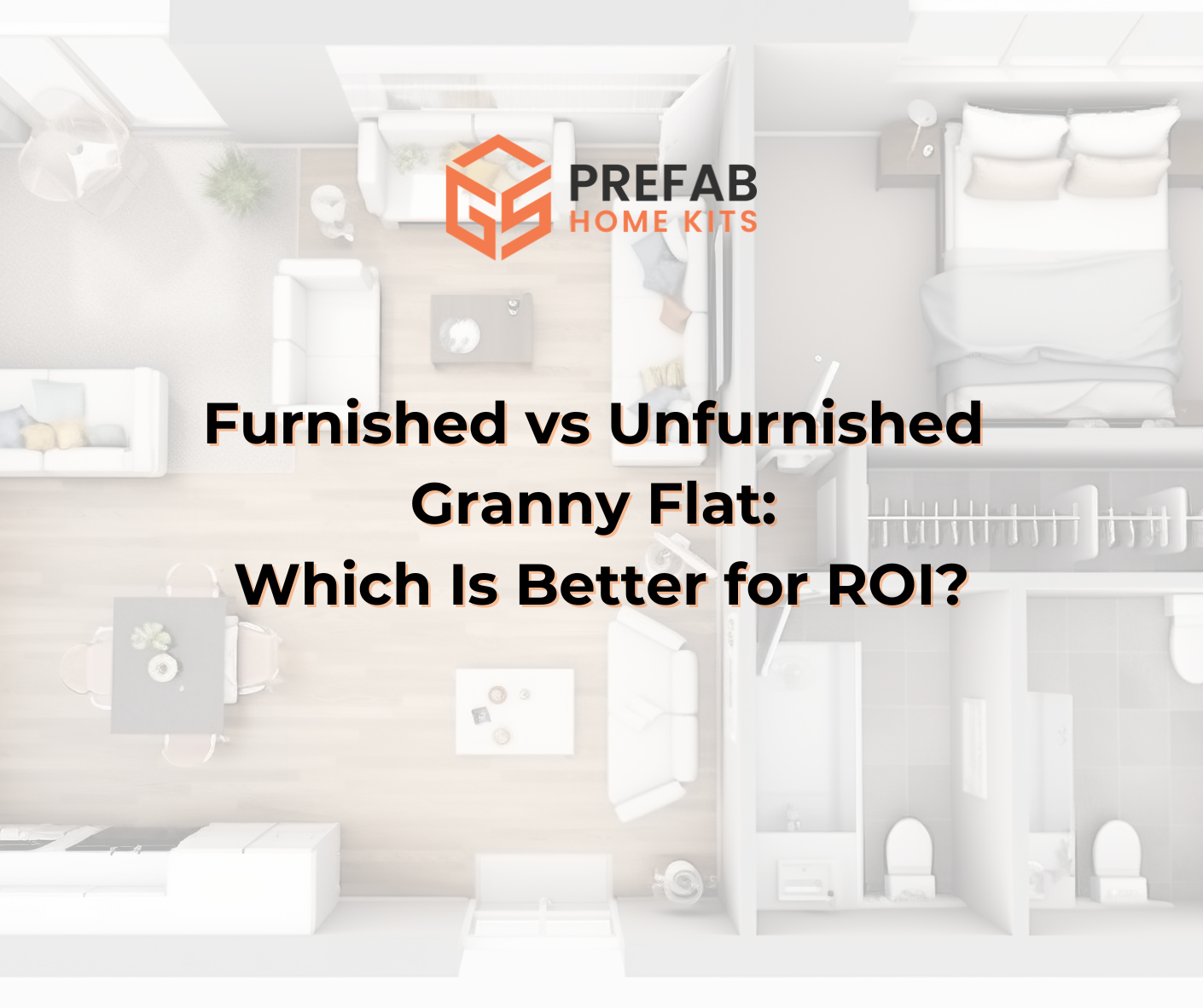
Furnished vs Unfurnished Granny Flat: Which Is Better for ROI?
When building a granny flat for rental income, one important decision many homeowners face is whether to offer it as a furnished granny flat or an unfurnished granny flat. Both options can work well, but they attract different types of tenants and can affect your return on investment in different ways.
Some investors prefer furnished granny flats because they can charge higher weekly rent and attract short-term tenants. Others choose unfurnished granny flats because they are easier to maintain and often provide more stable long-term rental income.
The best choice depends on your location, target tenants, budget, and investment strategy. Understanding how each option affects rental demand, maintenance, vacancy, and long-term costs is important if you want to maximise ROI.
This guide explains the differences between furnished and unfurnished granny flats and helps you decide which option may suit your investment goals better.
Understanding Granny Flat ROI
Before comparing the two options, it helps to understand what ROI means.
ROI, or return on investment, measures how much income your granny flat generates compared to the amount you spend building, furnishing, and maintaining it.
A strong ROI does not only depend on high rent. It also depends on vacancy rates, ongoing expenses, maintenance costs, and tenant stability.
Both a furnished granny flat and an unfurnished granny flat can deliver good ROI if they are matched with the right market and rental strategy.
What Is a Furnished Granny Flat?
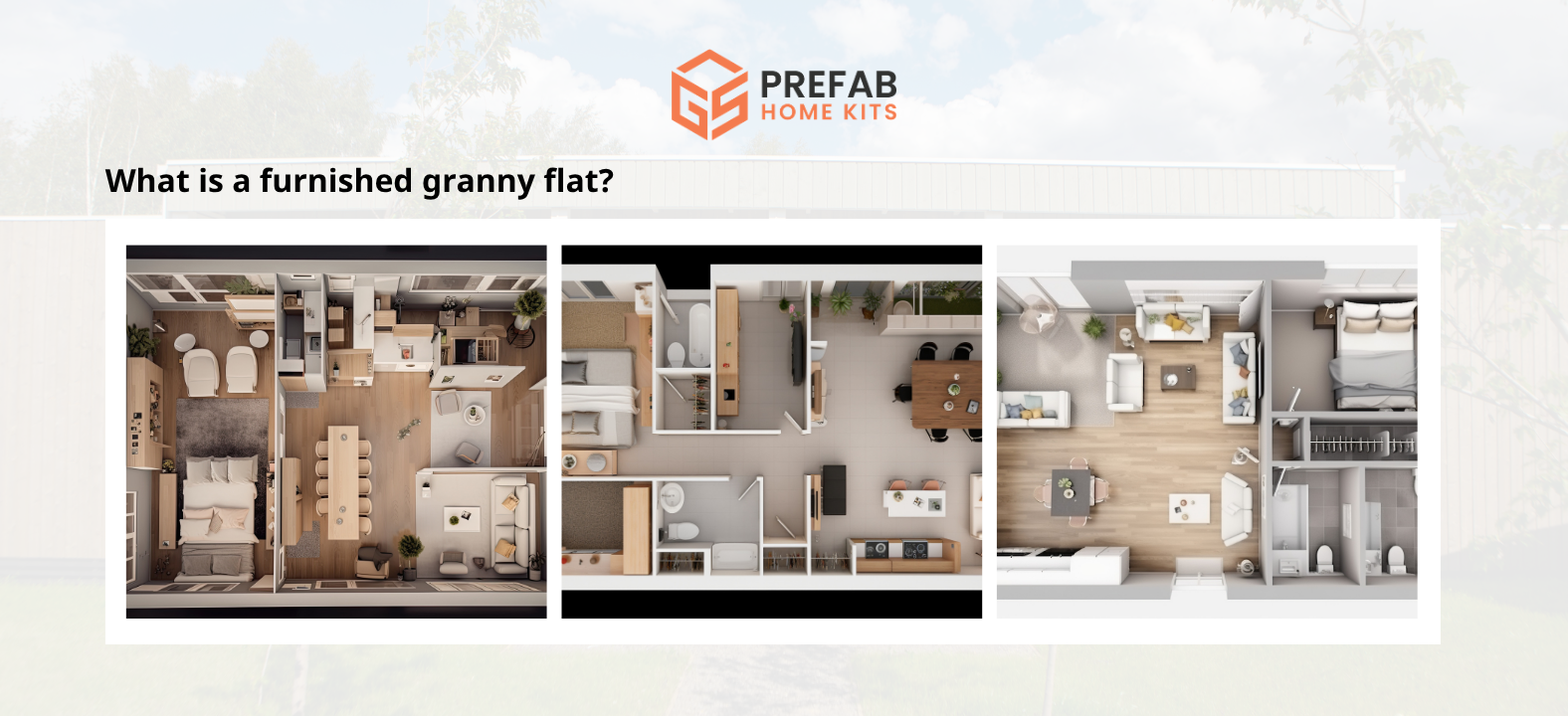
A furnished granny flat includes essential furniture and household items so tenants can move in immediately.
This usually includes a bed, sofa, dining table, fridge, washing machine, and basic appliances. Some furnished granny flats may also include kitchenware, televisions, or decorative items.
The main advantage is convenience. Tenants do not need to buy or move furniture, making the property attractive to people looking for flexible or short-term accommodation.
A furnished granny flat often appeals to students, temporary workers, interstate renters, or people relocating for work.
What Is an Unfurnished Granny Flat?
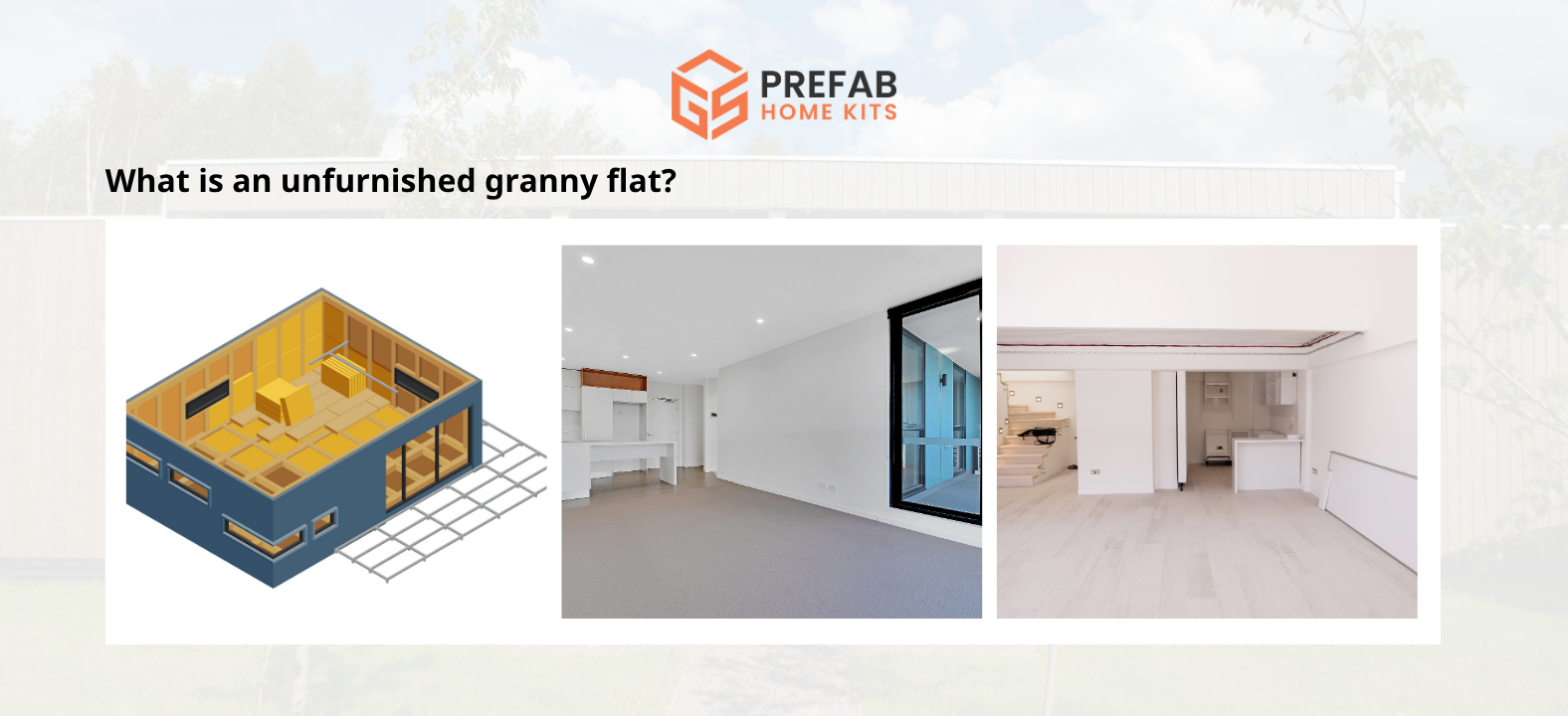
An unfurnished granny flat usually includes fixed items such as kitchen cabinetry, bathroom fittings, and built-in wardrobes, but no movable furniture.
Tenants bring their own furniture and personal belongings when they move in.
An unfurnished granny flat often attracts long-term renters who want stability and prefer to personalise their living space.
This type of rental is common in traditional residential leasing markets across Australia.
Rental Income Differences
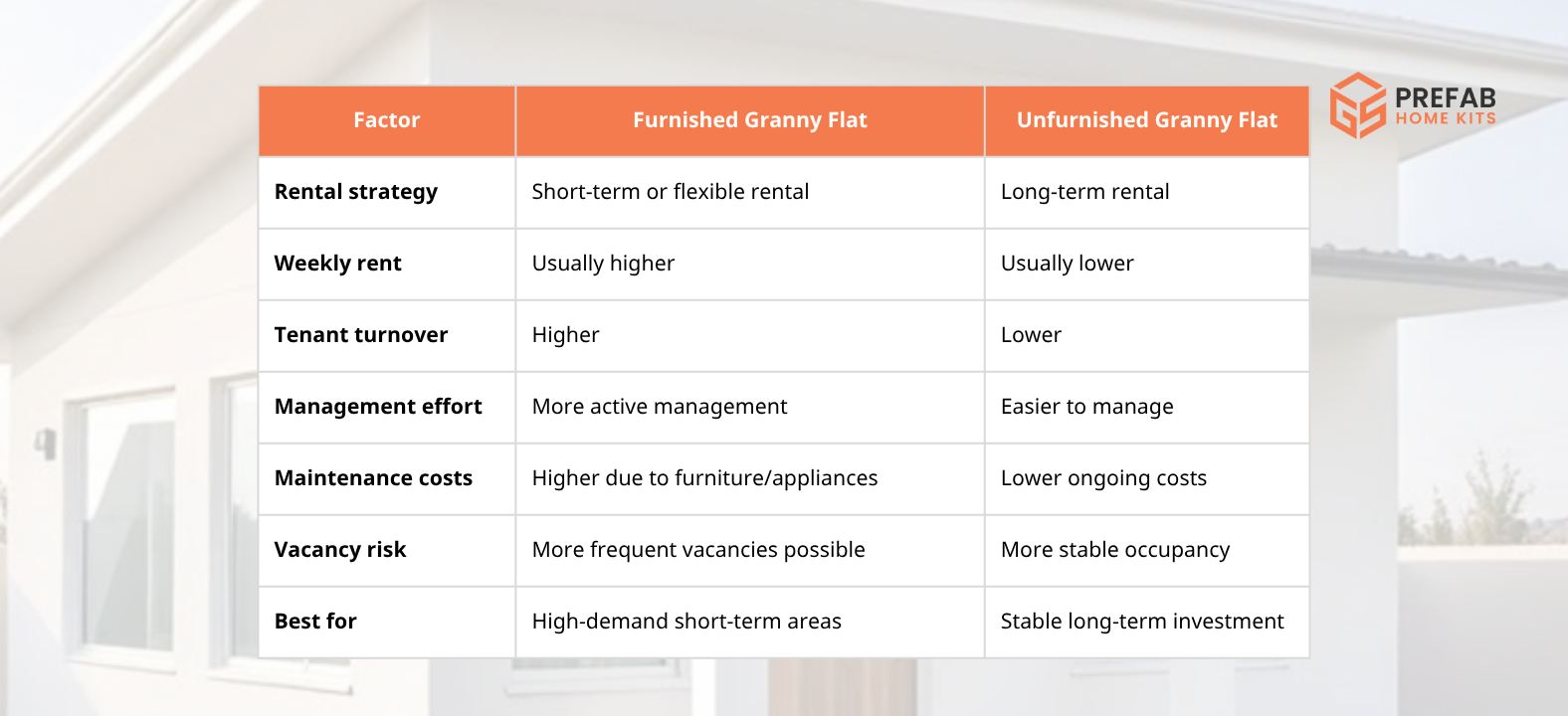
One reason many investors consider a furnished granny flat is the potential for higher weekly rent.
Because the property is move-in ready, landlords can often charge more compared to an unfurnished rental. Tenants may be willing to pay extra for convenience, especially in high-demand areas near universities, city centres, or employment hubs.
However, higher rent does not always mean higher profit. Furnished properties also come with higher setup and replacement costs.
An unfurnished granny flat may generate slightly lower rent, but it often provides more stable long-term income with fewer ongoing expenses.
The real difference in ROI depends on how well the property matches the local rental market.
Tenant Types and Rental Stability
The type of tenant you attract can strongly affect your investment experience.
A furnished granny flat often attracts short-term renters. This may include students, travelling professionals, temporary workers, or people relocating between homes.
These tenants may accept higher rent, but turnover is usually higher. More frequent tenant changes can increase cleaning costs, vacancy periods, and wear and tear.
An unfurnished granny flat generally attracts tenants looking for longer-term accommodation. Long-term tenants often create more stable rental income and reduce vacancy risk.
For many investors, lower turnover can improve overall ROI over time.
Upfront Setup Costs
One of the biggest differences between a furnished and unfurnished rental is the initial setup cost.
A furnished granny flat requires spending money on furniture, appliances, décor, and household items before tenants move in. Quality furniture can be expensive, especially if you want the property to look modern and appealing.
An unfurnished granny flat usually has much lower upfront costs because only the standard construction and fixed fittings are required.
If your budget is limited, an unfurnished approach may feel financially safer in the beginning.
Maintenance and Replacement Costs
Furniture naturally experiences wear and tear over time, especially in rental properties.
In a furnished granny flat, landlords are usually responsible for maintaining or replacing damaged furniture and appliances. Sofas, mattresses, washing machines, and dining tables may eventually need repairs or replacement.
This creates ongoing expenses that directly affect ROI.
An unfurnished granny flat is generally easier and cheaper to maintain because tenants provide their own furniture. Fewer movable items usually mean fewer maintenance issues overall.
Read more: How to Choose the Right Granny Flat Layout for Tenants
Vacancy Risk and Demand
Vacancy periods can significantly affect granny flat ROI.
A furnished granny flat may rent quickly in areas with strong short-term demand, but it may also experience more frequent vacancies due to higher tenant turnover.
An unfurnished granny flat may take slightly longer to fill initially, but tenants often stay longer once they move in.
The better option depends heavily on local rental demand and tenant behaviour in your area.
Location Makes a Big Difference
Location is one of the most important factors when deciding between furnished and unfurnished granny flats.
In inner-city areas, university suburbs, or locations with many temporary workers, a furnished granny flat may perform very well because convenience is highly valued.
In family-oriented suburban areas, an unfurnished granny flat may be more suitable because tenants are usually looking for stable long-term housing.
Understanding your local market helps you choose the option with the strongest rental potential.
Furnished Granny Flats and Short-Term Rental Strategies
Some investors use furnished granny flats for short-term or flexible rental arrangements.
Because the property is fully equipped, it may appeal to tenants staying for only a few months at a time. In some cases, short-term rentals can generate higher weekly income than traditional leases.
However, short-term strategies often involve more management, more cleaning, and more frequent tenant communication.
A furnished granny flat can deliver strong returns in the right market, but it usually requires more active management compared to a standard long-term rental.
Long-Term Simplicity of Unfurnished Rentals
An unfurnished granny flat is often simpler to manage overall.
Long-term tenants usually create fewer turnover-related costs and may treat the space more like a permanent home. This can reduce vacancy, cleaning expenses, and ongoing furniture replacement costs.
For investors looking for a lower-maintenance approach, unfurnished granny flats are often considered the more stable option.
The lower weekly rent may be balanced out by lower ongoing expenses and stronger long-term occupancy.
Which Option Has Better ROI?
There is no single answer because ROI depends on multiple factors.
A furnished granny flat may produce stronger short-term income in high-demand areas, especially where flexible accommodation is needed. However, it also comes with higher setup costs, more maintenance, and higher turnover.
An unfurnished granny flat may provide more stable long-term rental income with lower ongoing expenses and simpler management.
The better ROI usually comes from choosing the option that best matches your local market and investment strategy.
Read more: Granny Flat Investment Strategy: What First-Time Investors Should Know
Thinking Beyond Rental Income
ROI is not only about rent. It’s also about stress, management time, maintenance costs, and long-term sustainability.
Some investors prefer the simplicity and predictability of an unfurnished rental. Others are comfortable with higher turnover if it means higher weekly income.
Before choosing between a furnished granny flat and an unfurnished granny flat, it’s important to think about how involved you want to be in managing the property.
Your personal goals matter just as much as the numbers.
Final Thoughts
Both a furnished granny flat and an unfurnished granny flat can be successful investments when planned properly.
Furnished granny flats may offer higher rent and flexibility, especially in areas with strong short-term demand. Unfurnished granny flats, on the other hand, often provide more stable tenants, lower maintenance costs, and easier long-term management.
The best option depends on your location, budget, target tenants, and investment style. By understanding the strengths and challenges of each approach, you can make a smarter decision that supports stronger granny flat ROI over time.
Get a FREE quote for a granny flat here.
Explore more ideas at our Prefab Home Kits Fanpage.