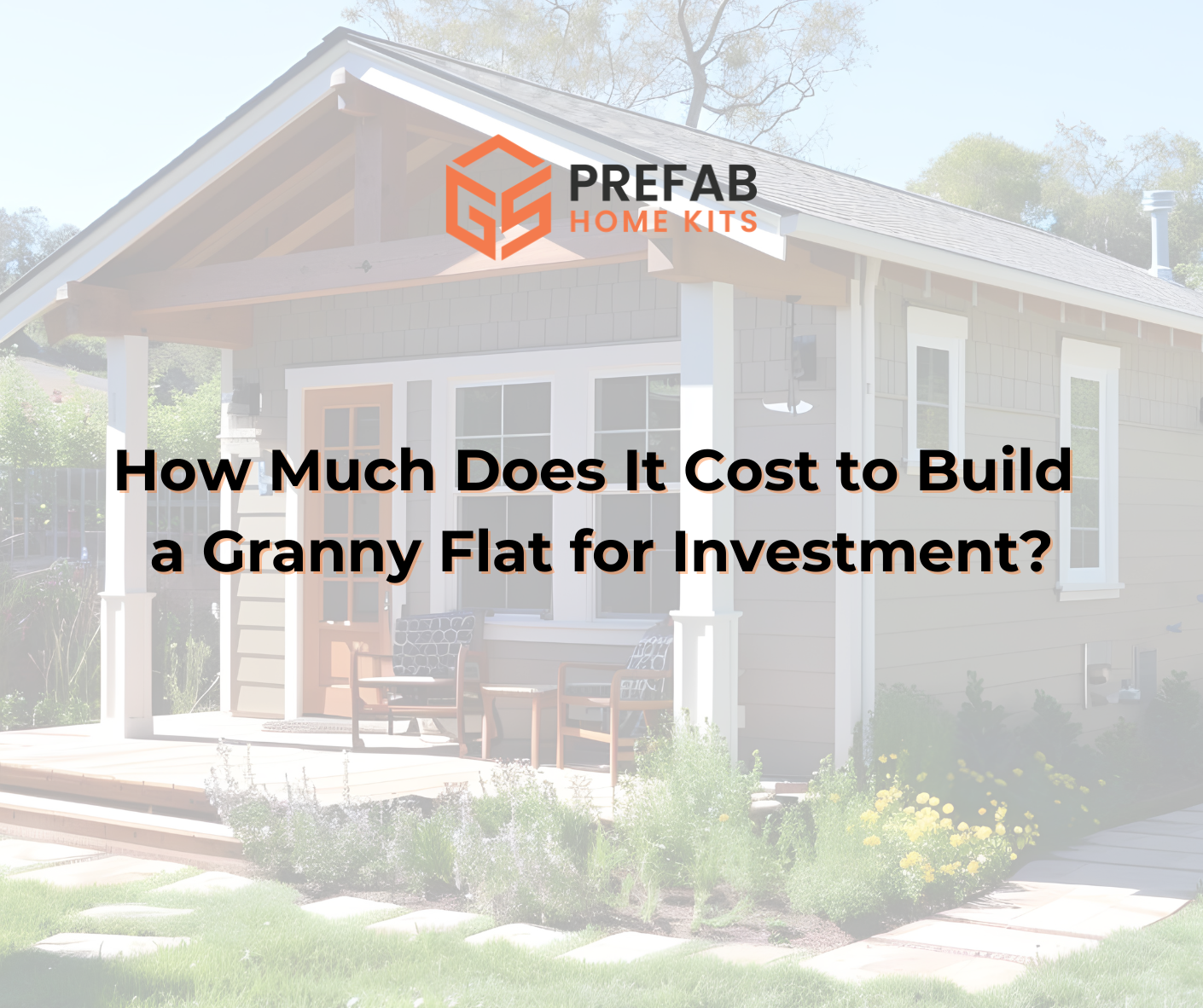
How Much Does It Cost to Build a Granny Flat for Investment?
Building a granny flat for investment has become a popular option for Australian homeowners looking to create rental income without buying another property. It can be a practical way to use extra land, increase property value, and generate long-term returns from a single block.
However, one of the first questions people ask is how much it actually costs to build a granny flat for investment.
The answer is not always simple because every project is different. The final cost depends on many factors, including the size of the granny flat, the layout, materials, site conditions, approvals, and even the location of the property.
Some granny flats are designed as simple, affordable rental spaces, while others include more modern finishes and larger layouts aimed at attracting higher-paying tenants. Understanding what affects the cost can help you plan more realistically and avoid unexpected expenses later on.
This guide explains the main factors that influence the cost of building a granny flat for investment and what homeowners should think about before starting a project.
Why People Build a Granny Flat for Investment
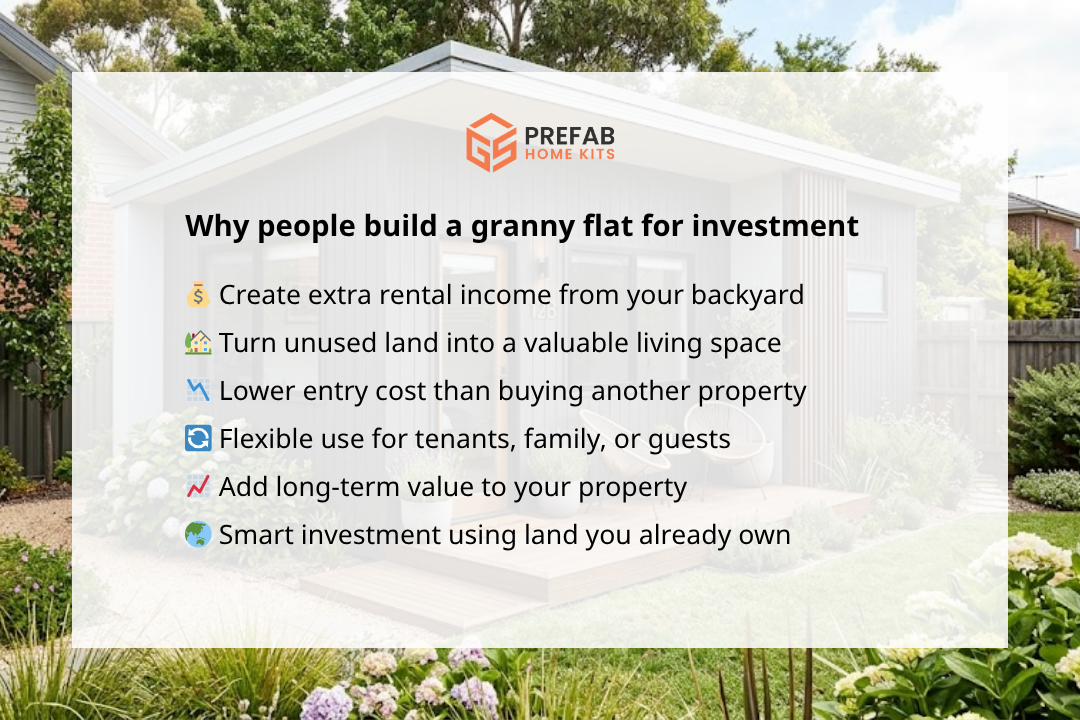
A granny flat for investment is usually built with rental income in mind. Instead of leaving backyard space unused, homeowners create a second living area that can be rented out to tenants.
Compared to purchasing a separate investment property, building a granny flat can feel more achievable because the land already exists. This removes one of the biggest expenses involved in property investment.
Many investors also like the flexibility of granny flats. They can generate rental income now while still offering future use for family members, guests, or even a home office later on.
Because of this, granny flats are often seen as a lower-entry investment option with long-term value.
Size Has a Major Impact on Cost
One of the biggest factors affecting the cost of a granny flat for investment is size.
Larger granny flats naturally require more materials, more labour, and more construction time. A two-bedroom granny flat, for example, usually costs more than a compact one-bedroom design.
However, bigger is not always better when it comes to investment returns. In many cases, a well-designed smaller granny flat can still generate strong rental income while keeping construction costs lower.
The goal is finding the right balance between construction cost and tenant appeal.
Layout and Design Choices
The layout of the granny flat can also influence overall cost significantly.
Open-plan layouts are often more affordable because they require fewer internal walls and can make smaller spaces feel larger. More complex layouts with additional rooms, hallways, or custom features may increase costs.
Modern granny flat for investment projects often focus on simple and functional designs because they are practical, attractive to tenants, and easier to build.
Custom architectural designs, unusual rooflines, or luxury features can increase the budget quickly without always improving rental returns.
For investment purposes, practicality often delivers better value than overly complicated design.
Read more: How to Choose the Right Granny Flat Layout for Tenants
Site Conditions Can Increase Construction Costs
The condition of the land itself plays a huge role in construction cost.
Flat and accessible blocks are generally easier and cheaper to build on. Sloping land, difficult access, or unstable soil conditions may require extra preparation work before construction even begins.
For a granny flat for investment, site preparation can sometimes become one of the most expensive parts of the project if the block is challenging.
Drainage, retaining walls, excavation, and additional engineering requirements may all affect the final cost.
This is why site inspections are so important before committing to a build.
Approval and Council Requirements
Council approvals and local regulations also affect the cost of building a granny flat for investment.
Different councils have different rules around size, setbacks, parking, and building placement. Some areas may require additional reports, consultants, or design adjustments to meet approval requirements.
Approval costs may include application fees, certification, surveys, and documentation.
Projects that meet local requirements more easily usually move faster and avoid costly delays or redesigns.
Utility Connections and Services
A granny flat needs access to utilities such as electricity, water, and sewer connections.
If the existing services are located far from the planned build area, connection costs may increase. In some cases, upgrading existing infrastructure may also be necessary.
For a granny flat for investment, utility work is an important part of the overall budget because it directly affects the functionality of the rental property.
The easier the access to existing services, the more manageable the cost tends to be.
Material Selection Matters
The materials you choose can greatly influence the final cost of a granny flat for investment.
Basic and durable materials are usually more affordable and easier to maintain over time. Higher-end finishes, premium flooring, custom cabinetry, and luxury fittings can push the budget much higher.
For rental properties, many investors focus on durable and low-maintenance materials rather than luxury upgrades. Tenants generally care more about comfort and practicality than expensive finishes.
Choosing the right balance between appearance, durability, and cost is important for long-term profitability.
Prefab vs Traditional Builds
The construction method also affects pricing.
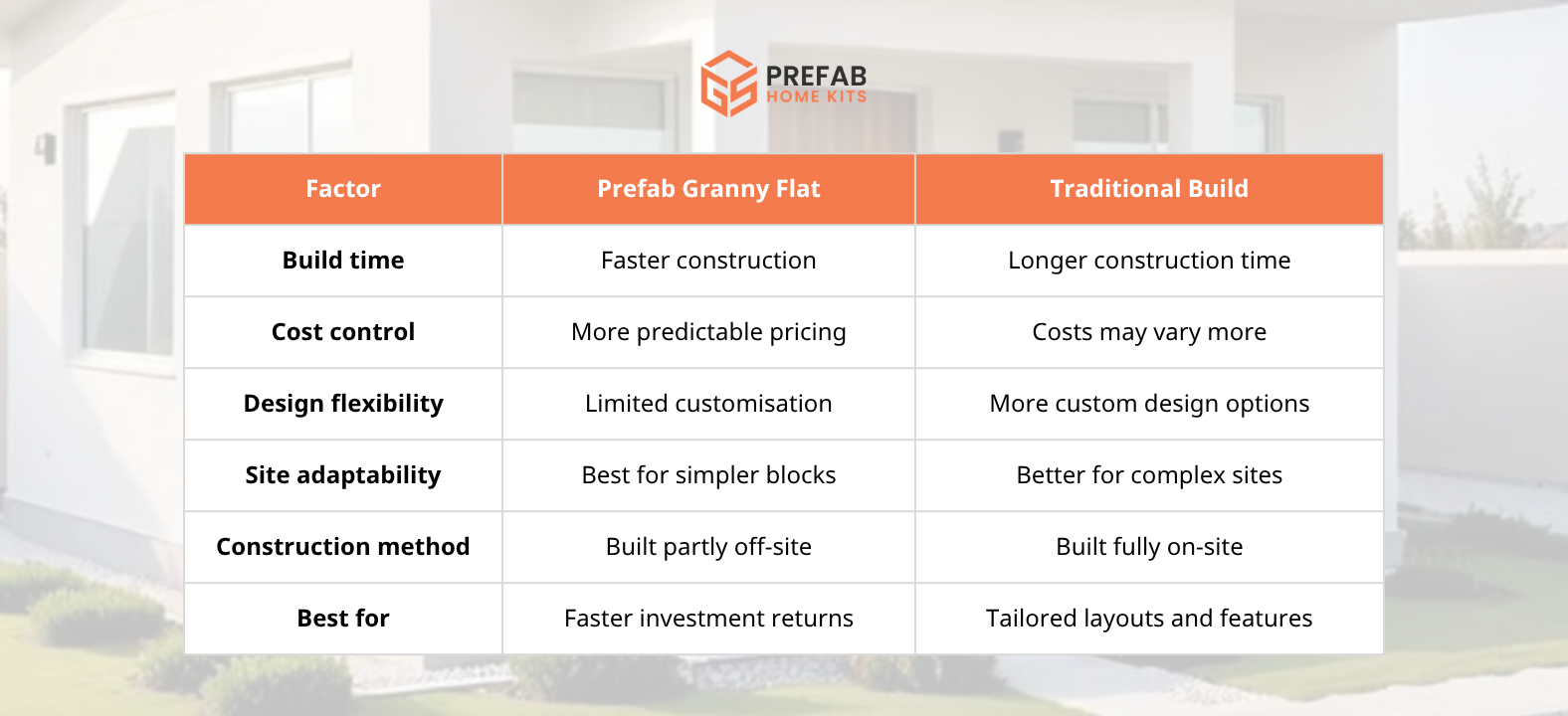
Prefab or modular granny flats are often promoted as a more affordable and faster option. Because many components are built off-site, construction time may be shorter and costs can sometimes be more predictable.
Traditional builds, however, may allow more flexibility in design and site customisation.
For a granny flat for investment, the right option depends on your budget, timeline, block conditions, and rental goals.
Both methods can work well when planned properly.
Number of Bedrooms and Bathrooms
Adding extra bedrooms or bathrooms can increase both construction cost and rental appeal.
A one-bedroom granny flat for investment is generally more affordable to build and may suit areas with high demand from singles or couples.
Two-bedroom granny flats often cost more, but they can attract a broader range of tenants and potentially achieve higher rental income.
Additional bathrooms also increase plumbing, fixtures, and construction complexity.
Investors often weigh these added costs against the potential for stronger rental returns.
Outdoor Areas and Landscaping
Outdoor spaces can improve tenant appeal, but they also affect the total project budget.
Simple landscaping, fencing, pathways, and outdoor seating areas can help a granny flat feel more private and comfortable. However, extensive landscaping or large outdoor features may add unnecessary cost.
For a granny flat for investment, outdoor areas should focus on functionality and low maintenance rather than expensive design elements.
Practical outdoor space is usually enough to improve rental appeal.
Energy Efficiency and Long-Term Value
Energy-efficient features may slightly increase upfront cost, but they can improve long-term value and tenant appeal.
Good insulation, natural ventilation, energy-efficient lighting, and smart window placement help create a more comfortable living environment while reducing energy use.
Many tenants appreciate homes that are cheaper to run, especially as utility costs continue to rise.
A well-designed granny flat for investment that balances efficiency and comfort may remain more competitive in the rental market over time.
Avoiding Overspending
One of the most common mistakes investors make is overspending on unnecessary upgrades.
A granny flat designed for rental income should focus on functionality, durability, and tenant comfort. Expensive luxury finishes do not always lead to higher rent.
Successful granny flat for investment projects are usually the ones that manage costs carefully while still delivering a modern and practical living space.
Keeping the design simple often leads to better overall returns.
Long-Term Thinking Is Important
Building a granny flat for investment should be viewed as a long-term strategy rather than a quick financial win.
While there are upfront costs involved, the potential rental income and added property value can create strong long-term benefits over time.
The most successful projects are usually well-planned from the beginning, with realistic budgets and clear understanding of local rental demand.
Careful planning helps avoid unnecessary costs and improves the overall return on investment.
Read more: Best Granny Flat Designs for Rental Income
Final Thoughts
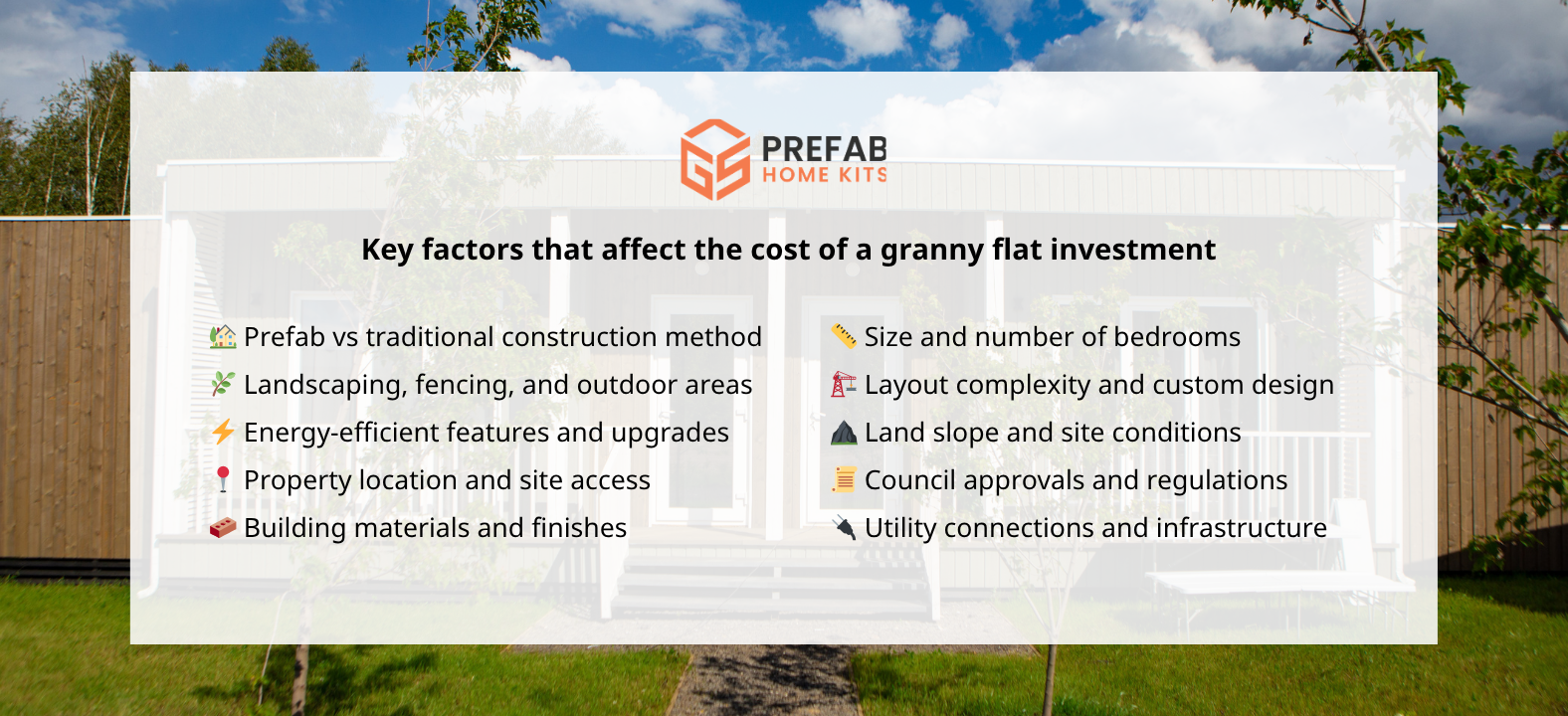
The cost of building a granny flat for investment depends on many different factors, from size and design to site conditions and approvals.
Rather than focusing only on the cheapest possible build, it’s important to think about long-term value, tenant appeal, and ongoing maintenance. A smart and practical granny flat design can generate reliable rental income while making better use of your existing property.
With the right planning, a granny flat for investment can become a flexible and valuable asset that continues delivering returns for years to come.
Get a FREE quote for a granny flat here.
Explore more ideas at our Prefab Home Kits Fanpage.