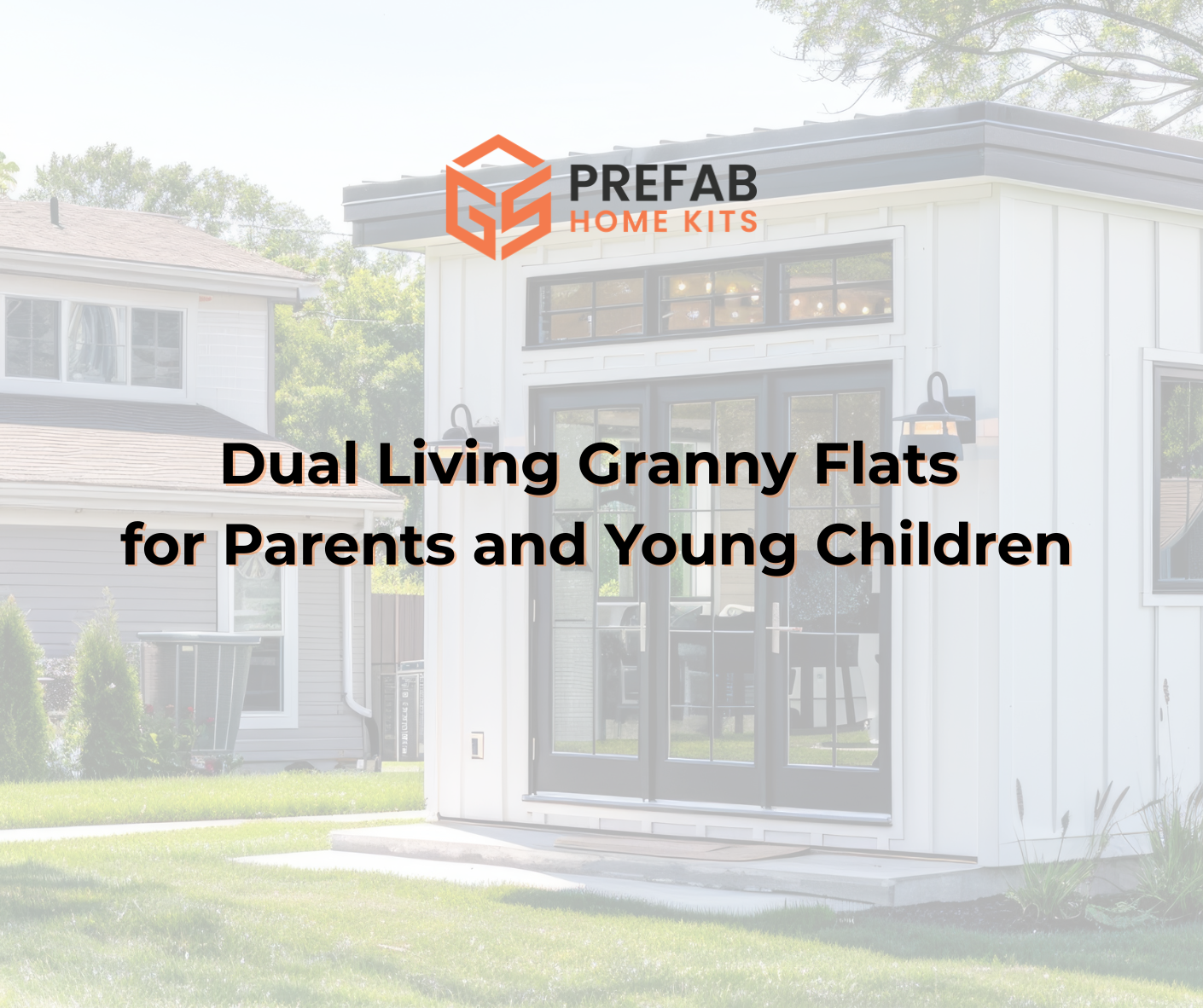
Premade Houses in Australia: 5 Points That Affect the Price

If you’re exploring modern, cost-effective ways to build a home in Australia, you’ve likely come across the term premade houses. Sometimes called premade homes or prefab homes, these factory-built houses are transforming the Australian housing market—and for good reason. They’re faster to build, more affordable, and more energy-efficient than many traditional construction methods.
In this comprehensive SEO guide, we break down everything you need to know about premade houses Australia—from how they’re built and how much they cost, to their benefits, limitations, and long-term value. Whether you’re a first-time homeowner, investor, or downsizer, this guide will help you understand why premade homes are becoming a top choice across the country.
What Are Premade Houses?
A premade house is a home constructed off-site in a factory before being delivered to your land for final assembly. This building method reduces construction time, avoids weather delays, and ensures consistent quality. Although the term “premade” suggests something pre-set or inflexible, modern premade houses are highly customisable and available in a wide range of designs and sizes.
Premade houses fall under the same category as:
- Prefab homes
- Modular homes
- Panelised homes
- Factory-built homes
Despite different names, the idea is the same: building smarter, faster, and with greater efficiency.
Why Are Premade Houses Growing in Popularity in Australia?
Premade houses have become one of the fastest-growing housing options in Australia thanks to rising construction costs, housing shortages, and urban lifestyle changes. Here are the main reasons Australians are embracing them:
1. Faster Build Time
Traditional homes in Australia can take 9–18 months due to labour shortages, weather delays, and material price fluctuations. In contrast, premade houses are built in 8–14 weeks, with installation often completed in a matter of days.
2. Lower Cost and More Predictable Budgeting
Because construction happens in a factory, premade homes avoid unpredictable labour costs and minimise waste. Many homeowners save 10–30% compared to traditional construction. Even better—quotes are usually fixed and transparent.
3. Higher Quality Control
Factory environments allow for precise engineering and strict inspections at every stage. This ensures consistent quality, tight construction, and fewer structural issues later.
4. Energy-Efficient and Eco-Friendly
Premade houses are designed with:
- Improved insulation
- Airtight construction
- Energy-efficient windows
- Sustainable materials
- Reduced construction waste
This not only makes them better for the environment but also reduces long-term energy bills.
5. Flexible Design Choices
Premade doesn’t mean generic. Modern premade homes offer:
- Multiple floor plan options
- Customisable interiors
- Choice of façades and claddings
- Luxury upgrades
- Off-grid packages
Whether you want a compact studio or a full family home, there’s a design to suit your lifestyle.

How Are Premade Houses Constructed?
Unlike traditional building, which requires trades onsite from start to finish, premade houses follow a streamlined factory process:
- Design and engineering completed digitally
- Materials prepared and cut with precision machinery
- Modules or panels assembled in a climate-controlled environment
- Electrical and plumbing systems pre-installed
- Quality inspections carried out at each milestone
- Completed structures transported to your land
- Final installation, connection, and finishing done onsite
This hybrid process delivers the best of both worlds—factory precision and on-site completion.
How Much Do Premade Houses Cost in Australia?
While prices vary, here is a realistic guide to the cost of premade houses in Australia:
Typical Price Range for Premade Houses
| Home Type | Approx. Cost |
| Studio / 1-bedroom | $85,000 – $150,000 |
| 2-bedroom premade home | $150,000 – $240,000 |
| 3-bedroom premade house | $230,000 – $380,000 |
| 4-bedroom large premade home | $350,000 – $550,000+ |
| Luxury premade homes | $450,000 – $850,000+ |
| Premade granny flats | $70,000 – $160,000 |
These are the base structure prices. Additional costs may include:
- Site works
- Foundation
- Delivery
- Crane hire
- Council permits
- Utility connections
Even with these additions, premade homes are often significantly more affordable than standard site-built houses.

What Can Affect the Price of a Premade Home?
Not all premade houses cost the same. Key factors include:
1. Size and Floor Plan
Larger homes cost more, and layouts with multiple bathrooms or complex rooflines increase engineering costs.
2. Material Choices
Standard inclusions are budget-friendly, while upgrades such as:
- Timber flooring
- Designer kitchens
- High-end tiles
- Premium cladding can increase the price.
3. Delivery Distance
Transporting modules across long distances—especially into rural or remote areas—may increase logistics costs.
4. Type of Foundation
Concrete slabs, piers, or steel stumps vary in cost depending on soil conditions, slope, and access.
5. Customisation Level
Custom designs require additional drafting, engineering, and manufacturing adjustments.
Are Premade Houses Durable and High Quality?
One of the biggest misconceptions is that premade homes are somehow “lower quality.” In reality, the opposite is often true. Because they are built indoors, premade homes avoid:
- Rain damage
- Warped timber
- Dust and debris
- Temperature fluctuations
They also use high-quality materials such as:
- Steel frames
- Composite or fibre-cement cladding
- Colorbond roofing
- High-grade insulation
- Double-glazed windows
Premade houses must also comply with all Australian Standards and the National Construction Code (NCC), just like any other home.
Do Premade Houses Need Council Approval in Australia?
Yes—permanent premade houses typically require:
- Building approvals
- Planning approvals
- Engineering certification
- Bushfire (BAL) assessment, where applicable
However, some small premade studios or granny flats may fall under simplified approval pathways depending on the state.
Always check your council rules before installation.

Pros and Cons of Premade Houses in Australia
Advantages
- Faster build time
- Lower cost
- High construction quality
- Energy-efficient
- Modern designs
- Less on-site disruption
- Reduced risk of delays
- Environmentally friendly
Potential Limitations
- Some councils require extra approvals
- Customising complex designs may increase cost
- Transport limitations may restrict size
- Sloping or hard-to-access sites may be more expensive
Who Are Premade Homes Best For?
Premade homes are ideal for:
- First-home buyers seeking affordability
- Families wanting a fast, predictable build
- Investors adding granny flats or rentals
- Downsizers wanting low maintenance
- Rural landowners
- Eco-conscious homeowners
- Anyone frustrated with traditional construction delays
If you want simplicity, predictability, and modern living, premade houses offer a powerful alternative.
Final Thoughts: Are Premade Houses Worth It in Australia?
Absolutely. Premade houses deliver a combination of affordability, quality, speed, and design flexibility that traditional construction struggles to match—especially in today’s unpredictable housing market. If you’re looking for a reliable way to build your home without delays, stress, or budget blowouts, premade homes and prefab homes are genuinely one of the smartest solutions available in Australia.
Get a FREE quote for your dream house here.
Explore more ideas at our Prefab Home Kits Fanpage.