Small Prefabricated Homes: Smart Designs for Compact Living
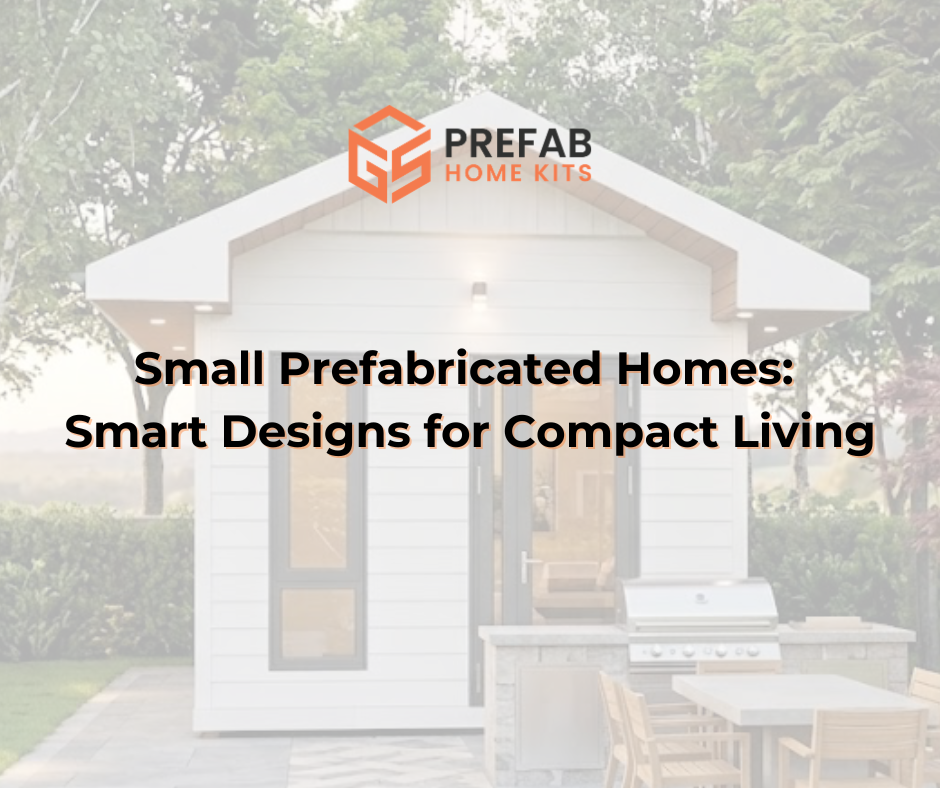
As housing prices continue to rise across Australia, more people are turning to prefabricated homes as a practical and cost-effective solution. Among the most popular options today are small prefabricated homes, compact, efficient, and thoughtfully designed to maximise every square metre. Whether you’re a first-home buyer, downsizer, or investor, these homes offer a modern way to live comfortably without the burden of excessive space or cost.
Small prefabricated homes are not just about saving money, they reflect a shift in lifestyle. Many Australians are now prioritising simplicity, sustainability, and flexibility, and compact prefab living aligns perfectly with these values.
Why Small Prefabricated Homes Are Gaining Popularity
The growing appeal of small prefabricated homes is closely tied to changing housing needs and economic conditions. With land prices increasing and urban density rising, not everyone wants, or can afford, a large traditional house. Smaller homes provide a more accessible entry point into the property market while still delivering comfort and functionality.
Another reason for their popularity is the efficiency of construction. Because prefabricated homes are built in controlled factory environments, they can be completed faster and with fewer delays compared to traditional builds. This makes them especially attractive for buyers who want to move in sooner or avoid long construction timelines.
There’s also a strong sustainability angle. Smaller homes naturally consume less energy for heating, cooling, and maintenance. When combined with modern prefab construction methods, they can significantly reduce environmental impact without sacrificing quality.
What Defines a Small Prefabricated Home?
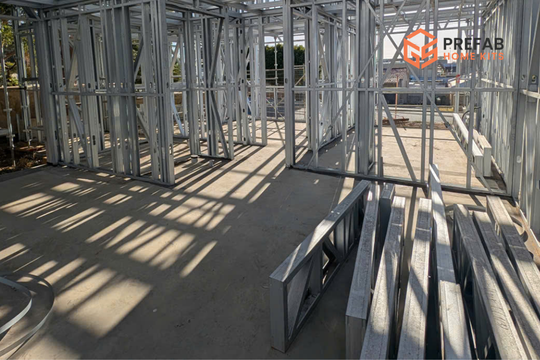
A small prefabricated home typically ranges from around 20 to 100 square metres, although this can vary depending on design and purpose. These homes are built off-site, either as panels, modules, or complete units, and then transported to the final location for assembly.
What sets them apart is not just their size, but how efficiently that space is used. Smart layouts, multifunctional furniture, and integrated storage solutions are key features. Every element is designed with intention, ensuring that even a compact home can feel open, practical, and comfortable.
In Australia, small prefabricated homes are used in a variety of ways. Some serve as primary residences, while others function as granny flats, holiday cabins, or secondary dwellings. Their versatility is one of the reasons they continue to gain traction across different buyer segments.
Smart Design Principles Behind Compact Prefabricated Homes
Design plays a crucial role in making small prefabricated homes feel livable rather than limiting. One of the most important principles is the efficient use of space. Open-plan layouts are commonly used to reduce visual clutter and create a sense of flow between living areas.
Natural light is another essential element. Large windows, sliding doors, and skylights are often incorporated to make interiors feel more spacious. When combined with neutral colour palettes and minimalistic finishes, these features help create a bright and airy environment.
Storage is also carefully considered. Built-in cabinetry, under-bed storage, and hidden compartments are frequently used to maximise functionality without overcrowding the space. In many prefabricated homes, furniture is designed to serve multiple purposes, such as fold-out beds or extendable dining tables.
These thoughtful design choices ensure that even the smallest homes can support everyday living comfortably.
Cost Benefits of Small Prefabricated Homes
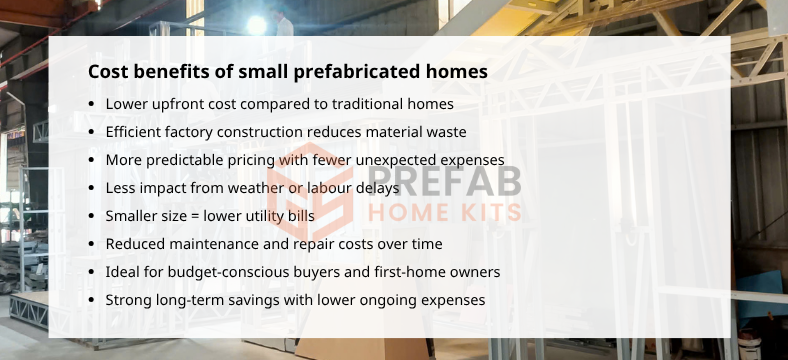
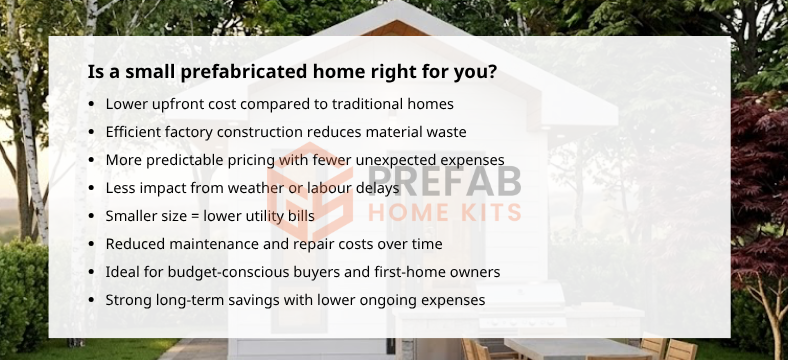
One of the main advantages of small prefabricated homes is their affordability. Because of their reduced size and efficient construction process, they generally cost significantly less than traditional houses. This makes them an attractive option for first-time buyers or those looking to minimise financial pressure.
The factory-based construction of prefabricated homes also helps control costs. Materials are used more efficiently, and there is less risk of delays caused by weather or labour shortages. This results in more predictable pricing and fewer unexpected expenses during the build.
Additionally, smaller homes typically come with lower ongoing costs. Utilities, maintenance, and repairs are all reduced, making them more economical in the long term. For many Australians, this combination of lower upfront and ongoing costs is a major reason to consider compact prefab living.
Are Small Prefabricated Homes Suitable for Australian Living?
Small prefabricated homes are well-suited to the Australian lifestyle, particularly given the country’s diverse climate and vast land availability. Many designs are tailored to local conditions, incorporating features such as insulation, ventilation, and shading to handle both hot summers and cooler winters.
They are especially popular in regional and coastal areas, where buyers are looking for affordable housing or holiday retreats. In urban settings, small prefab homes are often used as secondary dwellings, such as granny flats, to maximise land use and generate rental income.
Australian regulations do vary by state, so it’s important to check local council requirements before building. However, as demand grows, many regions are becoming more supportive of prefabricated homes, recognising their role in addressing housing shortages.
Sustainability and Environmental Advantages
Sustainability is another key benefit of small prefabricated homes. Their compact size naturally reduces energy consumption, and the factory construction process minimises material waste. This makes them a more environmentally responsible choice compared to traditional housing.
Many prefab builders also incorporate eco-friendly materials and energy-efficient systems into their designs. Solar panels, rainwater collection systems, and high-performance insulation are commonly used to further reduce environmental impact.
For homeowners who are conscious of their carbon footprint, prefabricated homes offer a practical way to live more sustainably without compromising on comfort or style.
Challenges to Consider Before Choosing a Small Prefabricated Home
While small prefabricated homes offer many advantages, there are a few factors to consider before making a decision. One of the main challenges is space limitation. Compact living requires careful planning and a willingness to adopt a more minimal lifestyle.
Transportation and site access can also be a concern. Depending on the location, delivering prefab components or modules may involve additional costs or logistical challenges. This is particularly relevant in remote or hard-to-reach areas.
Another consideration is customisation. While many prefabricated homes offer flexible design options, they may not match the level of personalisation available in a fully custom-built house. It’s important to balance your expectations with your budget and timeline.
Is a Small Prefabricated Home Right for You?
Choosing a small prefabricated home ultimately comes down to your lifestyle, budget, and long-term goals. If you value efficiency, affordability, and a simpler way of living, it can be an excellent option. These homes are particularly well-suited for individuals or couples, as well as those looking to downsize or invest in additional property.
They also appeal to buyers who prefer a faster and more streamlined construction process. With fewer delays and more predictable costs, prefabricated homes can offer a smoother building experience compared to traditional methods.
Final Thoughts on Small Prefabricated Homes
Small prefabricated homes represent a smart and modern approach to housing in Australia. By combining efficient design, cost savings, and sustainability, they provide a compelling alternative to traditional homes.
As housing needs continue to evolve, it’s likely that more Australians will embrace compact prefab living. Whether you’re looking to enter the property market, reduce your living expenses, or adopt a more sustainable lifestyle, prefabricated homes offer a flexible and practical solution worth considering.
Get a FREE quote for your dream house here.
Explore more ideas at our Prefab Home Kits Fanpage.