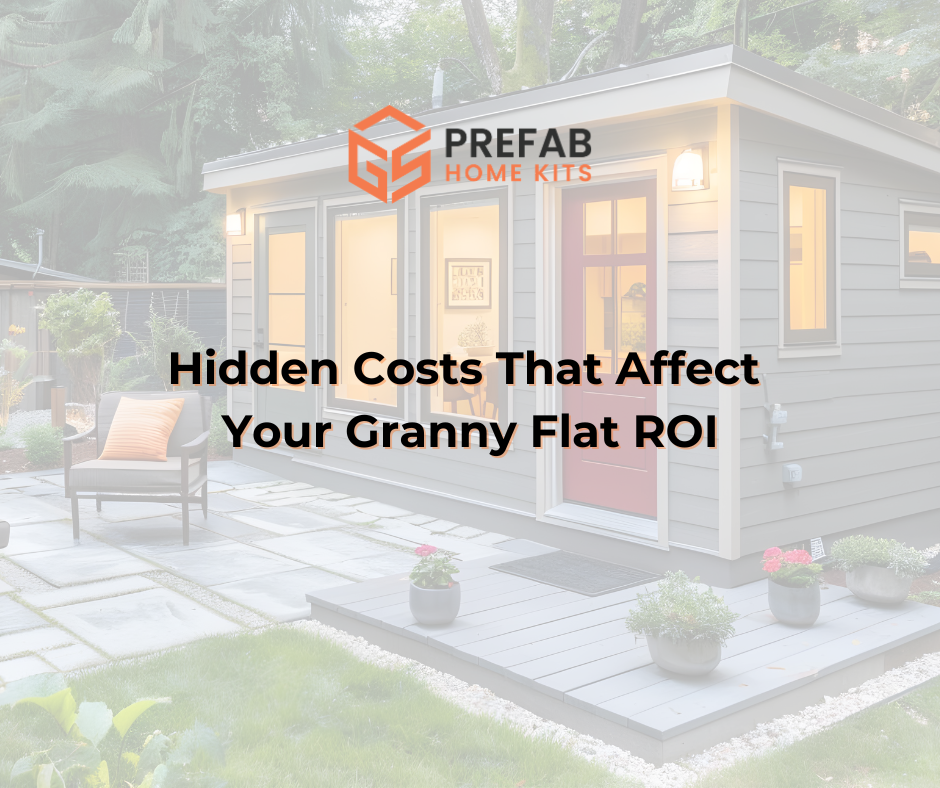
Hidden Costs That Affect Your Granny Flat ROI
Building a granny flat can be a smart investment, especially for homeowners looking to create extra rental income from their property. Many people are attracted to the idea because a granny flat often costs less than buying a separate investment property while still offering strong rental potential.
However, when calculating granny flat ROI, many investors focus only on the construction price and expected rent. What often gets overlooked are the hidden costs that can quietly reduce profits over time.
A granny flat may still deliver good returns, but understanding the less obvious expenses is important before starting a project. Hidden costs can affect your budget, extend your payback period, and reduce your overall rental yield if they are not planned properly.
This guide explains the hidden costs that commonly affect granny flat ROI and why realistic budgeting is essential for a successful investment.
Understanding Granny Flat ROI
Before looking at hidden costs, it helps to understand what granny flat ROI actually means.
ROI stands for return on investment. In simple terms, it measures how much income or financial benefit you receive compared to the amount you spend building and maintaining the granny flat.
For many investors, the goal is to generate steady rental income while increasing property value over time. A strong granny flat ROI usually depends on balancing construction costs, ongoing expenses, and rental demand.
The problem is that many hidden costs are not obvious during the early planning stage.
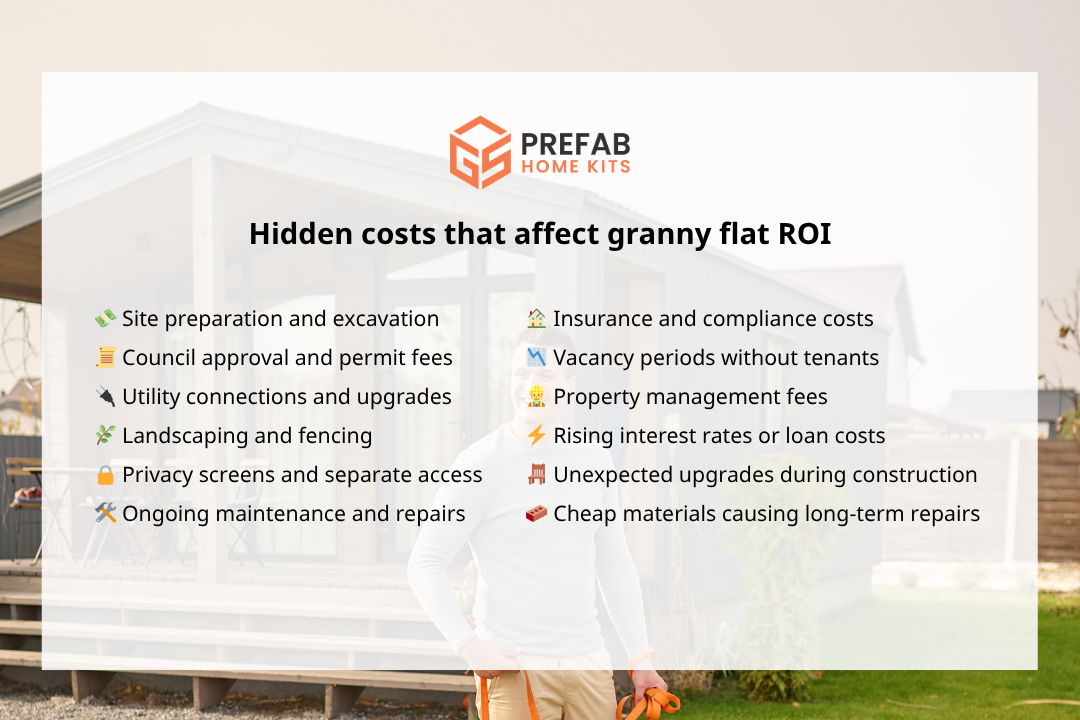
Site Preparation Costs
One of the most common hidden expenses affecting granny flat ROI is site preparation.
At first glance, a backyard may appear ready for construction, but building conditions can vary significantly. Sloping land, drainage issues, unstable soil, tree removal, or difficult access may all increase preparation costs.
In some cases, excavation work or retaining walls are required before construction can even begin. These costs are often underestimated because they are not always visible during initial planning.
A more complicated site usually means a more expensive build, which directly affects ROI.
Read more: How Much Does It Cost to Build a Granny Flat for Investment?
Utility Connection Expenses
Connecting a granny flat to water, electricity, sewer, and internet services can cost more than many homeowners expect.
If existing infrastructure is located far from the build area, additional trenching or upgrades may be needed. Older properties may also require electrical or plumbing improvements to support the new dwelling.
These utility-related costs may seem small individually, but together they can noticeably impact granny flat ROI.
Planning utility access early can help reduce unexpected expenses later.
Council Fees and Approval Costs
Approval costs are another hidden factor that affects granny flat ROI.
Depending on your local council and state regulations, you may need permits, inspections, surveys, engineering reports, or planning documents before construction begins.
Some projects also require changes to the original design to meet approval requirements, which can increase costs further.
Delays during the approval process may also affect timelines and postpone rental income, reducing short-term returns.
Landscaping and Outdoor Finishing
Many people budget for the granny flat itself but forget about the surrounding outdoor space.
Fencing, pathways, lighting, driveways, gardens, and privacy screens all add to the final project cost. While these elements may seem optional, they often play a major role in tenant appeal.
A well-presented outdoor area can improve rental demand, but the additional spending still affects overall granny flat ROI.
The key is finding a balance between functionality and unnecessary landscaping costs.
Privacy Improvements
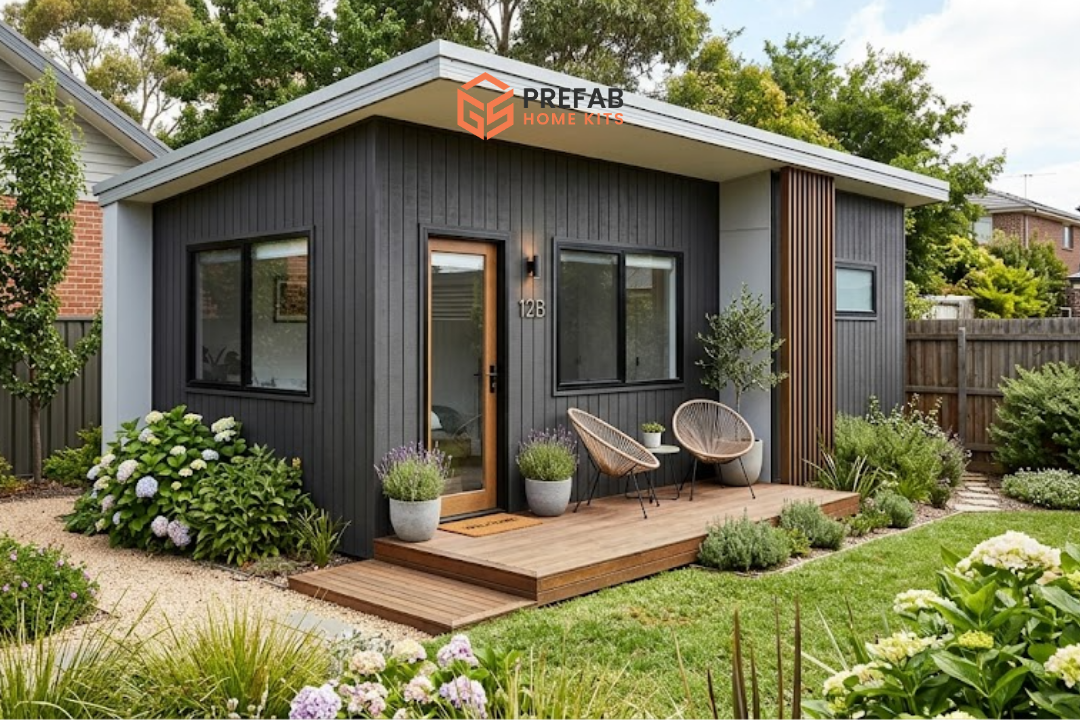
Privacy is extremely important in a rental granny flat because the tenant is sharing land with the main house.
To create a more comfortable living experience, homeowners often install fences, separate entrances, screening, or landscaping after construction begins.
These additions are valuable because they improve tenant satisfaction and rental appeal, but they are often overlooked during early budgeting.
Even small privacy improvements can add up and affect final ROI calculations.
Ongoing Maintenance Costs
Maintenance is another hidden expense that directly affects granny flat ROI over time.
Rental properties naturally experience wear and tear. Appliances may need replacement, plumbing issues can occur, and outdoor areas require upkeep.
Cheaper building materials may lower upfront costs, but they can lead to higher maintenance expenses later.
A low-maintenance granny flat usually performs better financially in the long run because it reduces ongoing repair costs and vacancy periods.
Insurance and Compliance Costs
Insurance is an ongoing cost that some investors forget to include when calculating returns.
A granny flat used for rental purposes may require updated property insurance or landlord insurance coverage. There may also be ongoing compliance requirements depending on local regulations.
While these costs are often manageable, they still affect annual profitability and overall granny flat ROI.
Ignoring them can create unrealistic expectations about investment returns.
Vacancy Periods Reduce Rental Income
Many ROI calculations assume the granny flat will remain rented all year, but this is not always realistic.
Vacancy periods can reduce total annual income significantly, especially if the property is poorly designed, overpriced, or located in a weaker rental market.
Even a few weeks without tenants each year can affect long-term granny flat ROI.
Choosing the right location, layout, and rental price helps reduce vacancy risk and improve income stability.
Property Management Fees
Some homeowners manage tenants themselves, while others hire property managers.
Professional management can save time and reduce stress, especially for investors with multiple responsibilities. However, management fees reduce the overall rental return.
These fees are sometimes forgotten when people first calculate granny flat ROI, even though they are part of the real ongoing investment cost.
Whether self-managed or professionally managed, tenant-related expenses should always be included in financial planning.
Interest Rates and Loan Costs
If you finance the build with a loan, borrowing costs also affect ROI.
Interest repayments, loan fees, and changing interest rates can influence how quickly the granny flat becomes profitable.
A project that looks highly profitable at one interest rate may perform differently if lending costs increase later.
This is why realistic financial planning is important when building a granny flat for investment purposes.
Upgrades During Construction
Construction projects often involve unexpected changes.
Homeowners may decide to upgrade finishes, add storage, improve appliances, or adjust the layout after construction starts. While these changes may improve tenant appeal, they can also increase the total project cost significantly.
Small upgrades may seem harmless individually, but together they can reduce granny flat ROI if they go beyond the original budget.
Sticking to a clear investment-focused plan helps control unnecessary spending.
The Cost of Poor Design Choices
Bad design can affect ROI in ways that are not immediately obvious.
A poorly designed granny flat may struggle to attract tenants, achieve lower rent, or experience more vacancy periods. Lack of privacy, poor storage, limited natural light, or awkward layouts can all reduce rental appeal.
Sometimes investing slightly more in smart design improves granny flat ROI by increasing tenant demand and reducing turnover.
The cheapest build is not always the most profitable in the long term.
Long-Term Wear and Depreciation
Over time, all properties age.
Flooring, paint, appliances, roofing, and outdoor areas may eventually need repairs or replacement. These long-term costs affect the overall profitability of the investment.
A granny flat that uses durable materials and practical finishes may hold up better over time and reduce long-term maintenance expenses.
Thinking beyond the initial build cost is important for realistic ROI planning.
Read more: Choosing the Right Location for a Granny Flat Investment
Why Realistic Budgeting Matters
One of the biggest mistakes investors make is underestimating the true cost of the project.
When hidden expenses are ignored, expected granny flat ROI may look much stronger on paper than it does in reality. This can lead to disappointment or financial pressure later on.
Careful planning, professional advice, and realistic budgeting help create a more accurate picture of the investment from the beginning.
Understanding hidden costs does not mean a granny flat is a bad investment—it simply means the project should be approached with proper preparation.
Final Thoughts
A granny flat can still be a very worthwhile investment, especially when built in the right location with strong rental demand. However, understanding the hidden costs that affect granny flat ROI is essential for making smart financial decisions.
Site preparation, approvals, utility connections, maintenance, vacancy periods, and ongoing expenses all play a role in long-term profitability. By planning carefully and budgeting realistically, homeowners can avoid surprises and create a more stable and successful investment.
The best granny flat investments are not always the cheapest ones, they are the ones planned with long-term value, tenant appeal, and realistic ROI expectations in mind.
Get a FREE quote for a granny flat here.
Explore more ideas at our Prefab Home Kits Fanpage.