History of Prefab Homes: From Early Innovation to Modern Housing

The history of prefab homes is closely tied to humanity’s need for faster, more efficient, and more affordable housing. While prefabricated homes may feel like a modern solution to today’s housing challenges, the concept has existed for centuries. From early portable shelters to today’s highly engineered modular homes, prefab housing has continuously evolved alongside technology, population growth, and changing lifestyles.
In Australia, prefab homes are experiencing a strong resurgence as homeowners seek cost certainty, faster build times, and sustainable construction methods. To understand why prefab homes are so popular today, it is useful to explore their historical roots—both globally and locally.
Early Origins of Prefabricated Homes
The history of prefab homes dates back to ancient civilisations. Archaeological evidence suggests that early forms of prefabrication were used by Roman armies, who assembled pre-made components to construct forts and military camps quickly as they expanded across Europe.
In the 17th century, prefabricated structures were shipped from England to North America to house early settlers. These early prefab homes were built in sections, packed into crates, and assembled on arrival—demonstrating the core principles of prefabrication that still exist today: off-site manufacturing and on-site assembly.
Prefab Homes in the Industrial Revolution
The Industrial Revolution marked a major turning point in the history of prefab homes. Advances in manufacturing, transportation, and standardisation made it possible to mass-produce building components more efficiently.
One of the most famous early examples was the Manning Portable Cottage in the 1830s, which was exported from England to Australia and other colonies. These prefabricated timber homes were designed to be shipped overseas and assembled quickly, helping address housing shortages during periods of rapid migration.
This era established prefabrication as a practical response to labour shortages, long distances, and urgent housing needs.
Prefab Homes in the 20th Century
Post-War Housing Demand
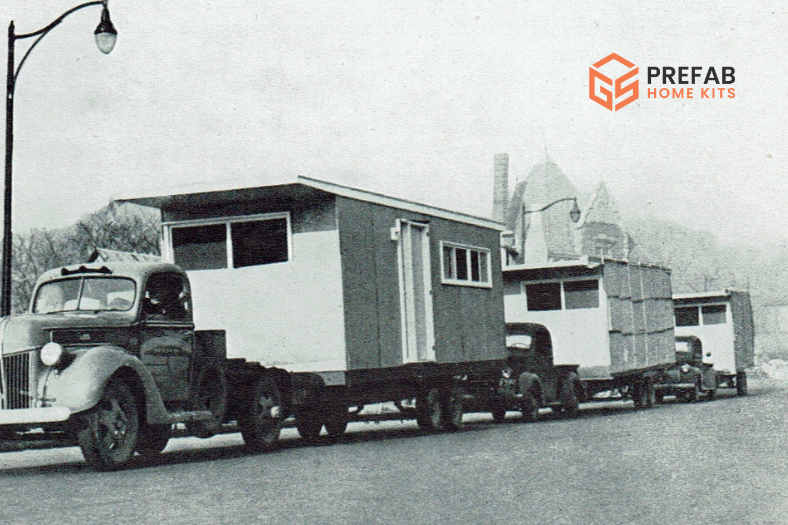
After World War I and World War II, many countries faced severe housing shortages. Prefab homes became a vital solution, particularly in Europe, the United States, and the United Kingdom.
Governments embraced prefabrication to:
- Rebuild cities quickly
- House returning soldiers and displaced families
- Reduce construction time and costs
While many early post-war prefab homes were intended as temporary solutions, some proved durable enough to remain occupied for decades.
Technological Advancements
By the mid-to-late 20th century, improvements in materials such as steel, concrete, and engineered timber significantly improved prefab home quality. Prefabrication began to shift away from “temporary housing” and toward permanent residential construction.
Despite these advances, prefab homes still carried a stigma in some markets, often associated with low-cost or short-term housing.
History of Prefab Homes in Australia
Australia has a long and unique relationship with prefabricated housing. Due to its vast geography, remote regions, and periodic population booms, prefabrication has played an important role throughout Australian history.
Colonial and Gold Rush Era
During the 19th century, Australia experienced rapid population growth driven by colonisation and the gold rushes. Traditional building methods struggled to keep up with demand, especially in remote areas.
Prefabricated homes imported from the UK were widely used to house settlers, miners, and government officials. These early prefab homes helped establish towns and communities quickly in challenging environments.
Post-War Australia
Following World War II, Australia faced a significant housing shortage due to population growth and migration. Prefabricated homes were used as a fast and affordable solution, particularly for government housing projects.
Although these homes were functional, many were basic in design, reinforcing the perception that prefab homes were inferior to traditional houses.
The Modern Evolution of Prefab Homes
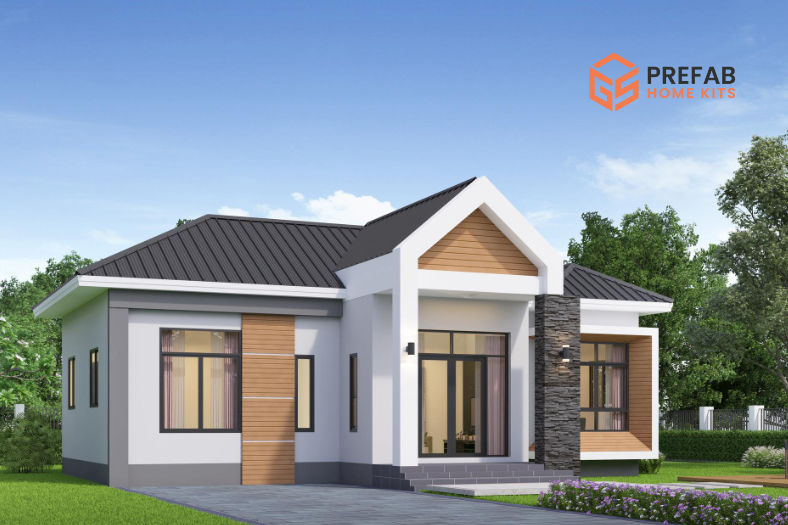
The modern era has transformed the reputation of prefabricated homes. Advances in digital design, precision engineering, and factory-controlled manufacturing have reshaped prefab housing into a high-quality, reliable building method.
Modern prefab homes now feature:
- Contemporary architectural design
- High energy efficiency standards
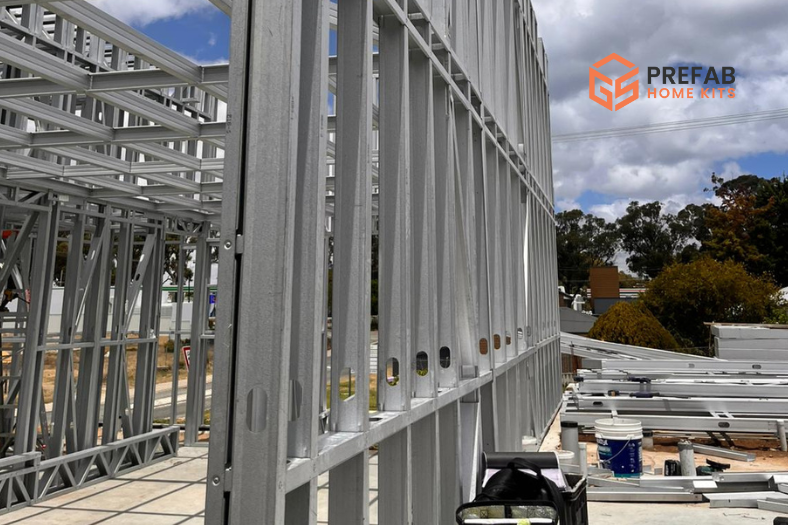
- Durable materials such as steel and engineered timber
- Strict quality control and compliance
This shift has played a major role in changing public perception.
Why Prefab Homes Are Popular in Australia Today
The renewed popularity of prefab housing is one of the most important chapters in the history of prefab homes—particularly in Australia.
1. Rising Construction Costs
Traditional building costs in Australia have increased significantly in recent years. Prefab homes offer greater cost certainty by fixing prices early and reducing on-site labour.
2. Faster Build Times
Prefab homes are manufactured off-site while site preparation happens simultaneously. This parallel process significantly reduces overall construction time, allowing homeowners to move in sooner.
3. Labour Shortages
Australia’s construction industry faces ongoing labour shortages, especially in regional areas. Prefab homes reduce reliance on on-site trades, making them more practical in a constrained labour market.
4. Sustainability and Energy Efficiency
Modern prefab homes are designed to meet high sustainability standards. Factory manufacturing reduces waste, and homes are easier to optimise for energy efficiency, helping lower long-term living costs.
5. Design Flexibility and Quality
Today’s prefab homes are no longer limited to standard designs. Homeowners can customise layouts, finishes, and materials, achieving architectural quality comparable to traditional homes.
6. Acceptance by Councils and Lenders
As prefab homes have proven their durability and compliance with the National Construction Code, councils, banks, and insurers in Australia have become more accepting of prefab construction.
Prefab Homes: From Niche to Mainstream
The history of prefab homes shows a clear shift—from necessity-driven housing to a mainstream construction method. In Australia, prefab homes are now used for:
- Primary residences
- Granny flats and secondary dwellings
- Holiday homes
- Remote and regional housing
- Sustainable and eco-friendly developments
This growing acceptance reflects changing homeowner priorities: speed, affordability, quality, and sustainability.
The Future of Prefab Homes in Australia
Looking ahead, prefab homes are expected to play an even larger role in Australia’s housing market. With ongoing housing shortages, environmental pressures, and demand for efficient construction, prefabrication aligns well with future needs.
Government support, technological innovation, and consumer awareness are likely to continue driving growth in the prefab sector.
Conclusion
The history of prefab homes reveals a building method shaped by innovation, necessity, and progress. From early portable cottages to today’s high-quality, energy-efficient homes, prefabrication has continually adapted to meet housing challenges around the world.
In Australia, prefab homes are no longer seen as a compromise but as a smart, modern housing solution. Their growing popularity reflects a shift toward faster, more sustainable, and more reliable ways to build—making prefab homes a key part of Australia’s housing future.
Get a FREE quote for your prefab homes here.
Explore more ideas at our Prefab Home Kits Fanpage.