Types of Granny Flats: A Simple Guide for Homeowners
If you’re thinking about adding extra space to your property, chances are you’ve come across the idea of granny flats. They’ve become a popular option across Australia because they’re flexible, relatively affordable, and can serve many different purposes.
But not all granny flats are the same. There are several types, each designed to suit different needs, budgets, and block conditions. Choosing the right one can make a big difference in how comfortable and useful the space is.
This guide breaks down the main types of granny flats in a simple, easy-to-understand way so you can figure out what might work best for your situation.
What Is a Granny Flat?
Before diving into the different types, it helps to quickly understand what a granny flat actually is.
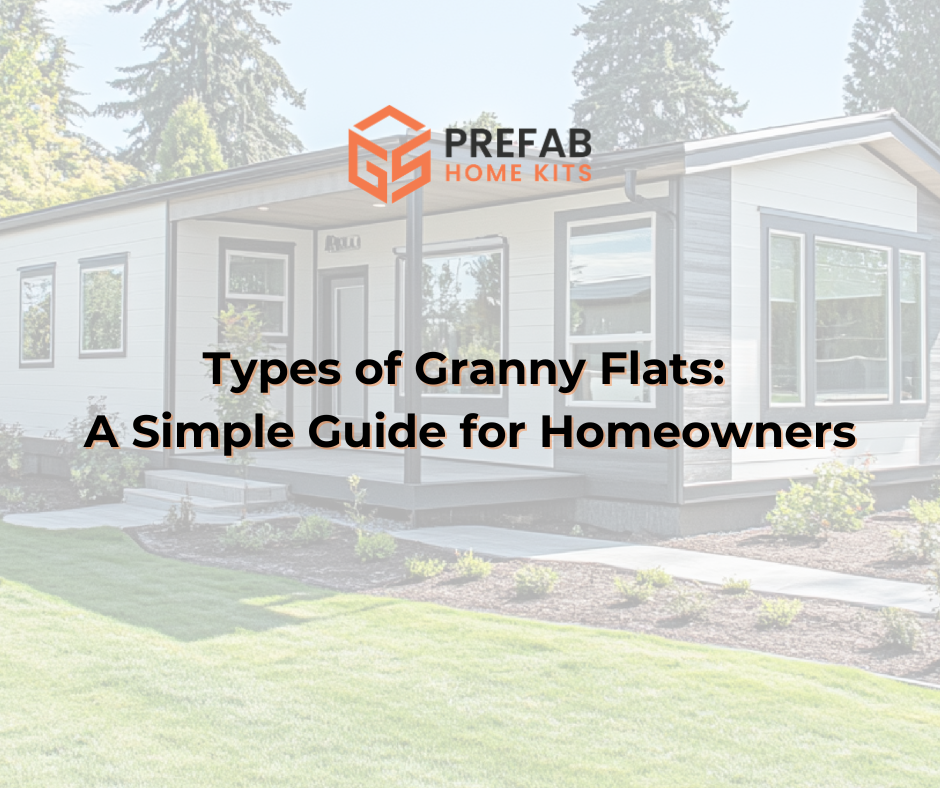
A granny flat is a self-contained secondary dwelling built on the same block as your main house. It usually includes a kitchen, bathroom, living area, and one or more bedrooms.
People use granny flats for many reasons. Some build them for family members, while others use them as rental properties or home offices. The flexibility is one of the main reasons they’ve become so popular.
Detached Granny Flats
Detached granny flats are the most common type. As the name suggests, they are built separately from the main house, usually in the backyard.
Why they’re popular
Detached granny flats offer more privacy compared to other types. Because they are separate structures, they feel more like a standalone home rather than an extension of the main property.
This makes them a good option for:
- Renting out to tenants
- Housing adult children
- Providing independent living for parents
They also give you more freedom in terms of layout and design, as they are not restricted by the structure of the existing house.
Attached Granny Flats
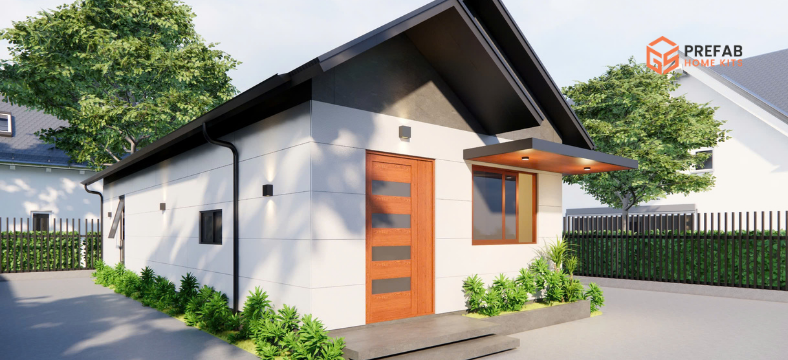
An attached granny flat is built as part of the existing home. It shares at least one wall with the main house but still functions as a separate living space.
How they work
These granny flats usually have their own entrance and basic facilities, but they are physically connected to the main building.
When this type makes sense
Attached granny flats are often more cost-effective because they can share some existing infrastructure, such as plumbing and electrical systems. They also work well if you want to stay close to family members while still having some level of independence.
Garage Conversion Granny Flats
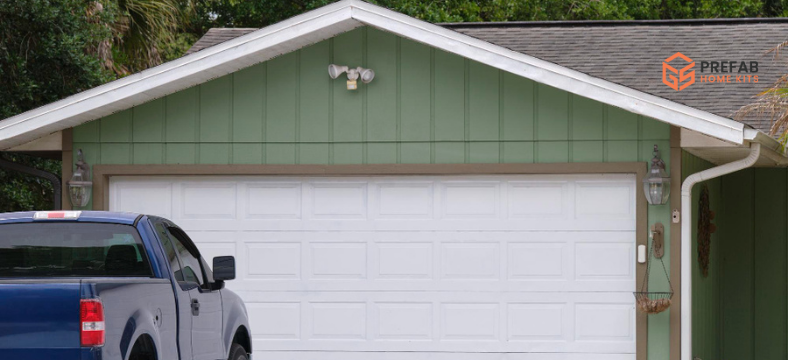
If you already have a garage that isn’t being fully used, converting it into a granny flat can be a smart option.
Why consider a conversion
Garage conversion granny flats are usually cheaper than building a new structure because the main shell is already there. This reduces both material and labour costs.
Things to keep in mind
While conversions can save money, they may come with limitations. The layout is often restricted by the existing structure, and you may need to upgrade insulation, ventilation, or flooring to make the space comfortable.
Internal Granny Flats
An internal granny flat is created within the existing house. Instead of building outside, part of the home is redesigned into a self-contained space.
What this looks like
This type of granny flat might use a section of the house, such as a large living area or unused rooms, to create a separate unit with its own facilities.
When it works best
Internal granny flats are ideal if you have extra space inside your home and want to avoid major construction. They are often used for family members who don’t need full separation but still want some privacy.
Prefab Granny Flats
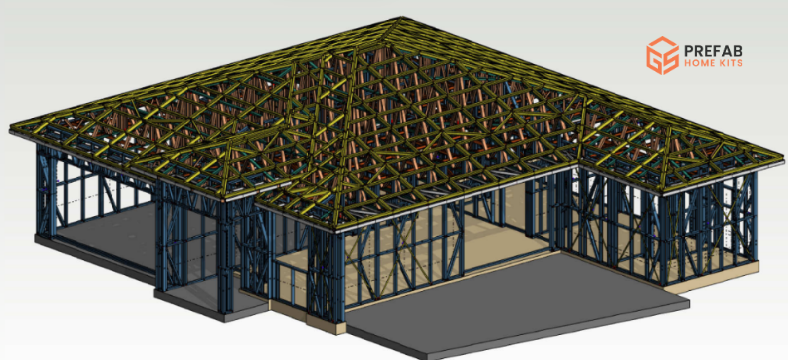
Prefab granny flats are built off-site in a factory and then delivered to your property.
Why they’re growing in popularity
Prefab granny flats are known for being faster and often cheaper than traditional builds. Because much of the construction happens off-site, the process is more controlled and efficient.
What to expect
You can still choose from different layouts and finishes, but options may be more standard compared to custom builds. For many homeowners, the trade-off is worth it because of the time and cost savings.
Custom-Built Granny Flats
If you want full control over design, a custom-built granny flat is the way to go.
What makes it different
Custom granny flats are designed specifically for your block, your needs, and your preferences. You can choose everything from layout and materials to finishes and features.
When to choose custom
This option is ideal if you have a unique block or want something more tailored. However, it usually comes with a higher cost and longer build time compared to prefab options.
Two-Storey Granny Flats
While most granny flats are single-storey, some homeowners choose to build two-storey designs.
Why go two-storey
A two-storey granny flat can be useful if you have limited land space but still want more living area. By building upwards, you can maximise your usable space without expanding your footprint.
Things to consider
This type of granny flat can be more expensive due to additional structural requirements and may be subject to stricter council regulations.
Granny Flats with Lofts
Loft-style granny flats are a creative way to make better use of vertical space.
How they work
A loft adds an elevated sleeping or storage area within the same footprint. This allows you to keep the main living area open while still having a dedicated sleeping space.
Why they’re appealing
Loft-style granny flats feel modern and space-efficient. They’re especially useful in smaller designs where every bit of space matters.
Choosing the Right Type of Granny Flat
With so many options available, choosing the right type can feel overwhelming. The best choice depends on your specific needs and circumstances.
Key factors to consider
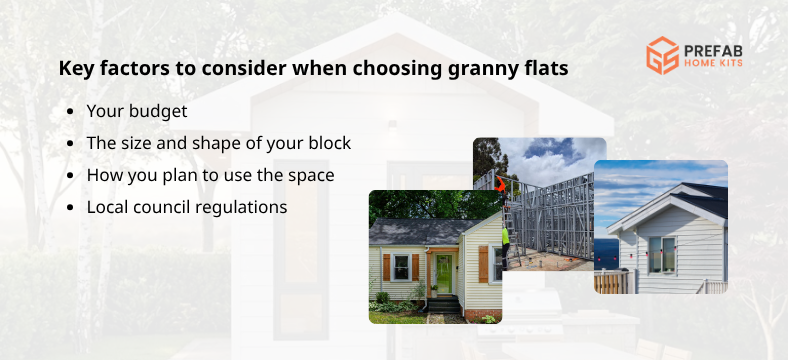
For example, if you want rental income and privacy, a detached granny flat might be the best option. If you’re working with a tighter budget, a garage conversion or prefab design could be more suitable.
Matching the Granny Flat to Your Lifestyle
One of the biggest advantages of granny flats is their flexibility. The same space can serve different purposes over time.
A granny flat built for a family today could become a rental in the future. A home office could later be converted into a guest space. Choosing the right type from the beginning makes it easier to adapt as your needs change.
Final Thoughts
There is no single “best” type of granny flat, only the one that works best for you. Whether you choose a detached build, a prefab option, or a simple conversion, each type has its own benefits.
The key is to focus on how the space will be used, what your budget allows, and how your property can support the build.
With the right choice, a granny flat can become one of the most practical and valuable additions to your home, offering both flexibility and long-term benefits.
Get a FREE quote for a granny flat here.
Explore more ideas at our Prefab Home Kits Fanpage.