
Hidden Costs of a Prefabricated Home You Should Know
Buying or building a prefabricated home can be an exciting step toward modern homeownership. Many homeowners are attracted to prefab homes because of their faster construction timelines, efficient building process, and often clearer pricing compared to traditional construction.
However, like any building project, the advertised base price of a prefabricated home does not always reflect the total cost of the project. There are several additional expenses that homeowners-wanna-be should understand before committing to a prefab build.
Knowing these potential hidden costs in advance can help you plan your budget more accurately and avoid surprises along the way.
Understanding the Base Price of a Prefabricated Home
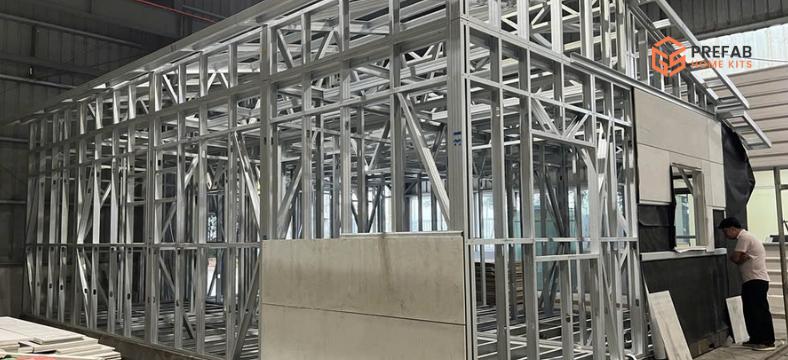
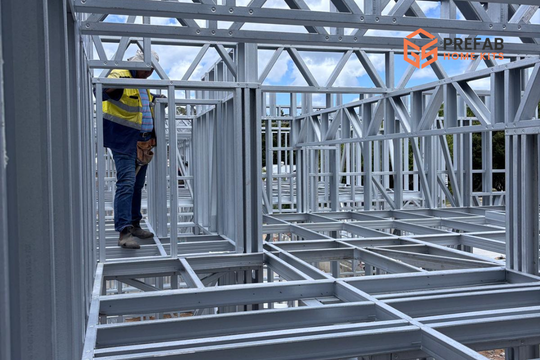
The base price of a prefabricated home usually refers to the cost of manufacturing the structural components in the factory. This may include the wall panels, floor systems, roof sections, and sometimes interior fittings depending on the builder’s package.
While this base price may look attractive, it often does not include site-related costs such as foundations, utility connections, and approvals. For many first-time buyers, this is where confusion about pricing can occur.
To get a realistic budget, it’s important to look beyond the base cost and consider the entire project.
Land Preparation and Site Work
Before a prefabricated home can be installed, the land must be prepared properly. Site preparation can involve clearing vegetation, levelling the ground, and ensuring proper drainage.
Some sites may also require soil testing to determine the type of foundation needed. If the land has a slope or difficult soil conditions, additional work may be required to make the site suitable for construction.
These preparation costs can vary widely depending on the property, and they are often not included in the prefab home’s advertised price.
Foundations and Structural Support
Even though a prefabricated home is built off-site, it still requires a strong foundation on the property. The type of foundation used will depend on the design of the house and the conditions of the land.
Common options include concrete slabs, piers, or raised foundations. The engineering requirements for these structures can add to the overall cost of the project.
Because foundations must be completed before the prefabricated sections arrive, this expense should be planned early in the budgeting process.
Transport and Delivery Fees
One of the unique aspects of a prefabricated home is that the building components must be transported from the factory to the site. Depending on the size of the home and the distance involved, transport costs can become a significant part of the project.
Large modules may require specialised trucks or delivery permits, especially if the home needs to travel long distances or through urban areas.
If the property is located in a remote region, transport costs may increase even further.
Crane and Installation Costs
Once the prefab sections arrive on-site, they must be lifted into place and assembled. This process often requires cranes or other specialised equipment.
The cost of installation will depend on the size of the home, the number of modules, and the complexity of the installation. Access to the building site also plays a role—tight spaces or steep blocks may require additional equipment or labour.
These installation costs are essential for completing the home but may not be included in the base prefab package.
Council Approvals and Permits
Like any residential building project, a prefabricated home must comply with local council regulations and building codes. Homeowners typically need to obtain development approvals and building permits before construction can begin.
Application fees, planning assessments, and inspections can all contribute to the total cost. In some areas, additional assessments such as environmental studies or bushfire safety compliance may also be required.
Working with experienced designers or builders can help ensure the approval process is handled correctly.
Utility Connections
After installation, the prefabricated home needs to be connected to essential services such as electricity, water, sewer, and internet.
If the property is located in an established suburb, these connections may be relatively straightforward. However, in rural areas or new developments, extending utilities to the property can add significant costs.
Some homeowners also choose to install systems like septic tanks, rainwater storage, or solar panels, which can increase the initial investment.
Interior Upgrades and Customisation
Many prefabricated homes come with standard interior finishes included in the base price. However, homeowners often choose to upgrade features such as flooring, kitchen appliances, cabinetry, or lighting.
While these upgrades can improve comfort and aesthetics, they can also increase the overall cost of the project.
Being clear about your desired features early in the design stage can help prevent unexpected expenses later.
Landscaping and External Features
Once the home is installed, additional work may be needed to complete the property. Landscaping, driveways, fencing, and outdoor living spaces are often not included in the prefab home package.
These elements play an important role in creating a comfortable living environment, so it’s wise to include them in your overall budget planning.
How to Avoid Budget Surprises of Prefabricated Home
The best way to manage the hidden costs of a prefabricated home is through careful planning and clear communication with your builder or manufacturer.
Homeowners should ask for a detailed cost breakdown that includes both the factory-built structure and all site-related expenses. Understanding the full scope of the project helps ensure the budget reflects the true cost of building the home.
It’s also helpful to set aside a contingency fund to cover unexpected costs during the process.
Final Thoughts
A prefabricated home can be a practical and efficient way to build a modern house, but the total cost goes beyond the base price of the structure. Site preparation, transport, installation, approvals, and utility connections all contribute to the final investment.
By understanding these hidden costs early, homeowners can plan more effectively and avoid surprises during construction. With proper budgeting and professional guidance, a prefabricated home can still offer excellent value and a smooth path to homeownership.
Get a FREE quote for your dream house here.
Explore more ideas at our Prefab Home Kits Fanpage.