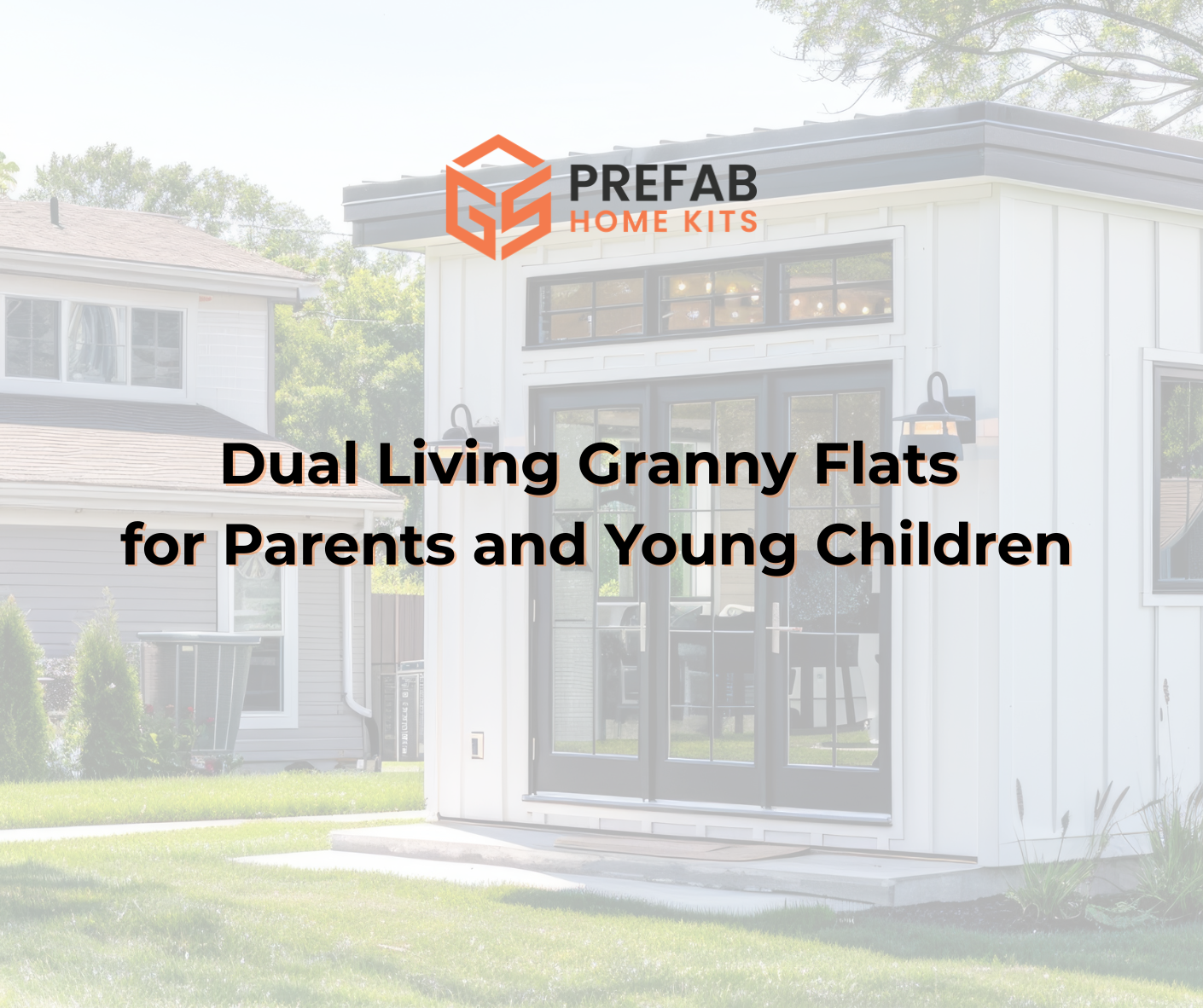
Prefabricated Home vs Kit Home: Which Is the Better Choice?

When planning to build a new house, many future homeowners look for alternatives to traditional on-site construction. Two of the most popular options today are the prefabricated home and the kit home. While these terms are sometimes used interchangeably, they actually describe two very different building approaches.
Understanding the differences between a prefab home and a kit home can help you make a smarter, more cost-effective decision—one that suits your budget, timeline, and lifestyle.
In this article, we’ll break down what each option really means, compare their pros and cons, and help you decide which solution is right for your next build.
What Is a Prefabricated Home?
A prefabricated home (often called a prefab home) is a house that is manufactured in a controlled factory environment before being transported to the building site for assembly.
Unlike traditional construction, where most of the work happens on-site, a prefab home is largely completed off-site. This includes walls, floors, roof panels, and sometimes even electrical and plumbing systems.
Key Characteristics of a Prefabricated Home
- Built in a factory under controlled conditions
- High level of precision and quality control
- Faster construction time
- Less exposure to weather delays
- Consistent materials and workmanship
Prefabricated homes are widely used for residential housing, modular homes, and even commercial buildings. Thanks to modern technology, today’s prefab home designs can look just as stylish and durable as traditionally built houses.
What Is a Kit Home?
A kit home is a house that comes as a package of pre-cut or pre-measured materials delivered to your site. Instead of arriving in large modules or panels, the home arrives as individual components that are assembled on-site.
In most cases, the homeowner is responsible for hiring builders—or even managing parts of the build themselves.
Key Characteristics of a Kit Home
- Materials are supplied as a “kit”
- On-site construction is required
- More manual labor and coordination
- Greater responsibility for the homeowner
- Typically lower upfront cost
Kit homes are popular among owner-builders and those with construction experience who want more hands-on involvement.

Prefabricated Home vs Kit Home: A Detailed Comparison
| Criteria | Prefabricated Home | Kit Home | Winner |
| Construction Time | Factory production and site preparation happen simultaneously. On-site assembly is fast, often reducing build time by weeks or months. | Entirely built on-site, leading to longer timelines and higher risk of delays due to weather, labor availability, or coordination issues. | Prefab Home |
| Build Quality & Precision | Manufactured using advanced machinery in controlled environments, ensuring consistent quality, tight tolerances, and fewer defects. | Quality depends heavily on builder skill and on-site assembly accuracy. | Prefab Home |
| Cost Considerations | Higher upfront cost but fewer unexpected expenses. Reduced labor time and fewer errors offer better long-term value. | Lower initial cost, but total expenses may rise due to labor, delays, or construction mistakes. | Depends on budget & experience |
| Design Flexibility | Wide range of modern designs, layouts, and finishes. Customization may be available depending on the supplier. | Flexible during construction, especially for owner-builders who want to make on-site modifications. | Tie (supplier-dependent) |
| Project Management & Stress Level | Typically handled by professional builders or suppliers, offering a smoother and more predictable process. | Requires significant homeowner involvement, including trade coordination, scheduling, and compliance. | Prefabricated Home |
Which Option Is Right for You?
A prefabricated home is ideal if you’re looking for a faster, more streamlined building process with fewer surprises along the way. Because most of the construction takes place in a factory-controlled environment, timelines are more predictable and quality is consistently high. This option suits homeowners who value efficiency, want clearer cost control, and prefer a smoother experience with less day-to-day decision-making and coordination during construction.
A kit home is better suited for those who already have construction experience or want to be closely involved in the building process. If you’re working with a tighter upfront budget and are comfortable managing builders, trades, and schedules yourself, a kit home can offer flexibility and cost savings at the start. This option appeals to hands-on owners who enjoy customization and are confident overseeing on-site construction.
Are Prefabricated Homes the Future of Housing?
The housing industry is undergoing a major transformation. Rising construction costs, ongoing labor shortages, stricter environmental regulations, and increasing demand for faster housing delivery are pushing both governments and private developers to rethink traditional building methods. In this context, the prefabricated home is widely regarded as a future-proof solution that addresses many of the challenges facing modern construction.
Unlike conventional on-site builds, a prefab home is largely manufactured in a controlled factory environment. This shift from site-based construction to industrialized production brings significant advantages in efficiency, quality, and sustainability. As housing demand continues to grow worldwide, especially in urban and regional growth areas, prefab home construction is becoming an increasingly attractive alternative.
One of the strongest drivers behind the rise of the prefab home is cost control. Traditional construction projects are highly exposed to fluctuating material prices, labor availability, and weather-related delays. Prefabricated homes reduce these risks by standardizing production and allowing bulk purchasing of materials. While the upfront price of a prefab home may appear higher than some alternatives, the overall project cost is often more predictable, with fewer unexpected expenses during construction.
Sustainability is another major factor shaping the future of housing. Prefabricated home construction significantly reduces material waste, as components are precision-cut and assembled in factories rather than on open building sites. Many prefab home manufacturers also integrate energy-efficient design principles, including improved insulation, airtight construction, and compatibility with solar energy systems. These features not only lower environmental impact but also reduce long-term energy costs for homeowners.
Speed of construction is equally important in today’s housing market. With a prefab home, site preparation and factory manufacturing can occur at the same time. Once the components are delivered, on-site assembly is completed quickly—often in a matter of weeks rather than months. This efficiency is particularly valuable in regions facing housing shortages, natural disaster recovery, or remote construction challenges.
Safety and quality control further strengthen the case for prefabricated homes. Factory-based production allows for consistent inspection, standardized workmanship, and compliance with building codes at every stage. Workers operate in safer environments, reducing on-site accidents and errors. As a result, prefab homes often achieve higher consistency and structural reliability compared to traditional builds that rely heavily on variable on-site conditions.
That said, kit homes still play a role in the housing market. A kit home can be a suitable option for experienced builders or owner-builders who prefer hands-on involvement and have the skills to manage construction effectively. However, kit homes typically require greater coordination, longer build times, and more responsibility from the homeowner. For first-time buyers or those seeking a low-risk, streamlined process, a prefab home is generally the more practical choice.
Looking ahead, advancements in digital design, automation, and modular construction technologies will continue to expand what prefab homes can offer. Greater customization, improved aesthetics, and smarter integration with sustainable technologies are already reshaping perceptions of prefabricated housing. What was once considered a niche option is now becoming a mainstream solution for residential development.

Frequently Asked Questions
- Is a prefabricated home the same as a kit home?
No. A prefab home is largely built off-site, while a kit home is assembled on-site from supplied materials.
- Are prefabricated houses more expensive?
They may have a higher upfront cost, but they often save money overall due to reduced labor time and fewer delays.
- Can a prefab home be customized?
Yes. Many modern prefab home suppliers offer flexible designs and customization options.
Final Thoughts: Prefabricated Home vs Kit Home
Both options offer alternatives to traditional construction, but they serve different types of homeowners.
If you’re looking for a modern, efficient, and reliable way to build, a prefab home is often the smarter long-term choice. If you enjoy being involved in the building process and are confident managing construction, a kit home may suit you better.
The key is understanding your priorities—time, budget, experience, and peace of mind.
Get a FREE quote for your dream house here.
Explore more ideas at our Prefab Home Kits Fanpage.